
Amish Furniture Near Me: How to Find Pieces Worth Buying
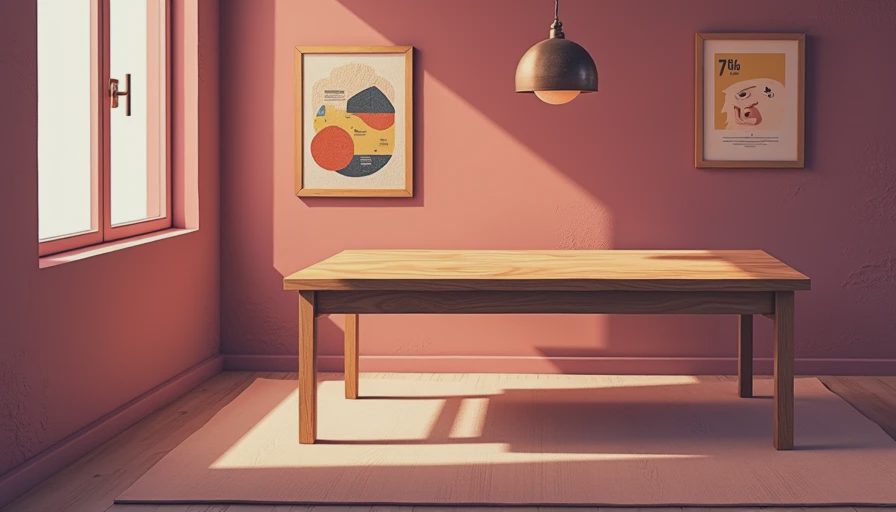
Searching for amish furniture near me usually means you want something better than a disposable flat-pack piece, but you do not want to pay for a designer label. That is a sensible place to start. The best Amish-made furniture is straightforward, sturdy, repairable, and often more useful than trend-driven furniture with a much bigger marketing budget.
I have spent years inspecting furniture for construction rather than catalog photography, and the first thing I tell shoppers is simple: do not buy a piece solely because the sign says Amish. Look underneath, inside the drawers, behind the doors, and at the finish. Workmanship matters, but the specifications still have to suit your room and your budget.
What Amish furniture usually does well
A good local workshop typically builds with hardwoods such as oak, cherry, maple, walnut, or hickory. Each has a different personality. Oak shows a pronounced grain and handles busy family life well. Cherry starts warm and reddish, then deepens with exposure to light. Maple is tighter-grained and cleaner-looking, while walnut brings a darker, more dramatic appearance and usually a higher price.
Solid wood is useful, but it is not automatically perfect. Wood expands and contracts with seasonal humidity, so well-built furniture uses construction methods that allow for movement. Look for floating panels, properly fitted doors, and drawer bottoms that are not simply glued rigidly into place. A heavy table can still split if the design ignores how wood behaves.
For drawers, dovetail joints are a good sign, particularly at the front and back corners. They are not magic, but they resist the pulling and twisting that drawers experience every day. Open and close each drawer. It should glide without scraping, wobbling, or needing a shoulder shove. A solid drawer with decent slides is more valuable than a beautifully stained case with thin bottoms and loose corners.
How to evaluate a local showroom or workshop
When comparing amish furniture near me listings, separate a real showroom from a lead-generation page that only displays stock photography. Ask where the furniture is made, whether the finish is applied locally, what wood species are available, and whether the price includes delivery. A legitimate seller should answer those questions without turning the conversation into a sales fog.
Bring measurements. Write down the maximum width, depth, and height your room can accept, then measure doorways, stair turns, elevators, and the path from the truck to the room. A 42-inch-wide bookcase may fit against your wall but fail at a narrow stair landing. This is the sort of mistake that costs more than an afternoon and can turn a careful purchase into a return problem.
Ask to see a sample board for stain and finish. “Mission oak” or “espresso” is not a universal color standard. Two shops can use the same word and produce very different results. Also ask whether the final color changes after exposure to daylight. Cherry, in particular, can evolve noticeably, so matching a new side table to an older piece requires planning.
The price difference: what you are actually paying for
A solid hardwood nightstand can start around $400 to $700, while a larger dresser may land between $1,000 and $2,500 depending on wood, hardware, drawer count, and finish. Dining tables often begin near $1,200 and can move well above $3,000 as size, thickness, extension leaves, and wood selection increase. Those are broad working ranges, not promises, but they help you identify suspiciously cheap quotes.
The mid-tier option is often the smart buy. You may not need walnut, soft-close slides, or a hand-rubbed custom finish to get a durable table. Oak or maple with a standard finish can provide much of the same structural value at a lower price. Spend on the parts you touch and use: drawer function, table stability, comfortable chair proportions, and a finish that can handle ordinary spills.
Be cautious about paying extra for visual thickness. A massive-looking top may be a thinner slab with a built-up edge. That is not necessarily bad construction, but the price should reflect what is actually there. Ask about top thickness, apron construction, extension hardware, and whether leaves store inside the table.

Questions to ask before placing an order
Before committing to amish furniture near me, ask for a written specification. It should identify the wood species, stain, sheen, dimensions, hardware, number of leaves, and delivery terms. Custom orders can take several weeks or longer, and changing your mind after production begins may be expensive or impossible.
Clarify the warranty in plain language. Does it cover structural failures, finish problems, hardware, or only manufacturing defects? Who handles service if a drawer slide fails? Is delivery room-of-choice, threshold delivery, or curbside drop-off? A heavy dining table left at the curb is a very different service from one carried inside, leveled, and assembled.
Inspect the floor sample if one is available. Run your hand across the top in both directions. You are looking for a consistent finish, not a perfectly sterile surface. Check the underside for rough sanding, exposed fasteners, or unfinished areas where moisture could collect. Open cabinet doors and confirm that they sit evenly when closed.
Common mistakes that make good furniture feel wrong
The most common mistake is choosing a style before choosing the room’s proportions. A farmhouse table with thick legs can overwhelm a compact dining area, even if the craftsmanship is excellent. Measure the clearance around every seat. About 36 inches behind a chair is a useful starting point for comfortable movement, though tighter rooms may require a smaller table or a bench.
Another mistake is mixing undertones carelessly. A yellow-oak table beside a gray-brown floor can look accidental rather than collected. Take a flooring sample or clear photograph in daylight when comparing stains. Do not trust showroom lighting, which often makes warm finishes appear more neutral.
People also underestimate chair comfort. Sit for at least five minutes, not thirty seconds. Check seat height against the table, the angle of the back, and whether the front rail presses against your legs. A beautiful chair that makes dinner uncomfortable is not a bargain at any price.
A practical buying plan
Start your search for amish furniture near me with one priority piece, such as a dining table or bedroom dresser. Visit two or three sellers, record dimensions and prices, and photograph finish samples with the same phone settings. Compare construction details rather than just the headline price.
Next, decide where standard options are enough. A standard oak finish and common hardware can shorten the lead time and reduce the price. Custom sizing is worth considering when a room has an awkward wall or a narrow passage, but customization should solve a real problem rather than add expense for its own sake.
Finally, get delivery scheduled before the old furniture leaves your home. Confirm the path, protect flooring, and inspect the piece before signing for it. Look for shipping damage, loose hardware, and finish marks while the delivery team is present. If the construction is sound and the proportions work, the right local piece can serve your home for decades instead of merely filling a room until the next trend arrives.
Keep Reading

Furniture Outlet Shopping: How to Find Quality Pieces at a Real Value
Furniture outlet shopping guide: learn how to judge frames, upholstery, delivery...

Grey Accent Chair Ideas: How to Choose One That Looks Expensive
Grey accent chair ideas for a polished, livable room. Learn which fabrics, frame...

Panel Bed Buying Guide: What Actually Matters Before You Buy
Panel bed buying guide: learn how to compare wood, upholstery, joinery, storage,...
Owner Letters
0 lettersNo letters yet — be the first to write one.