
Amish Made Furniture: How to Buy Pieces That Last
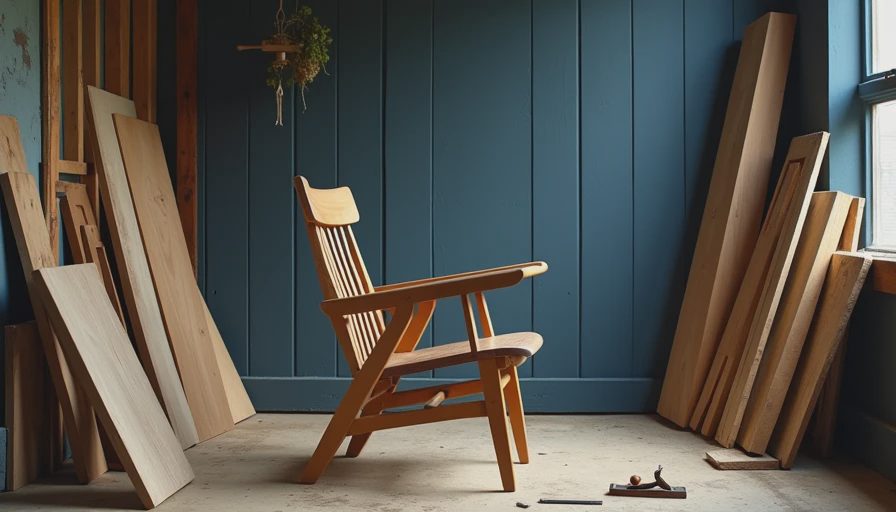
Amish made furniture has earned its reputation the old-fashioned way: through careful joinery, solid lumber, and pieces built for daily use rather than a quick showroom impression. But the label alone is not a quality guarantee. I have inspected enough dining tables, dressers, and bedroom sets to know that construction details matter more than a romantic story about the workshop. The right piece should feel stable, repairable, and proportioned for your room.
What the Amish furniture label actually tells you
The phrase usually refers to furniture made by Amish craftsmen in communities across Pennsylvania, Ohio, Indiana, and other parts of the United States. Many workshops emphasize hand tools, traditional methods, and limited use of automation. That does not mean every cut is made by hand or every component is produced locally. A serious retailer should be able to explain where the wood, hardware, finish, and drawer slides come from.
The strongest Amish made furniture is typically built from hardwoods such as oak, cherry, maple, walnut, or quartersawn white oak. Each has a different personality. Oak shows prominent grain and handles busy family life well. Cherry starts warm and reddish, then deepens with light. Maple is subtle and clean-looking, while walnut brings darker color at a higher material cost. Do not choose solely from a small stain sample; ask to see the actual species in natural light.
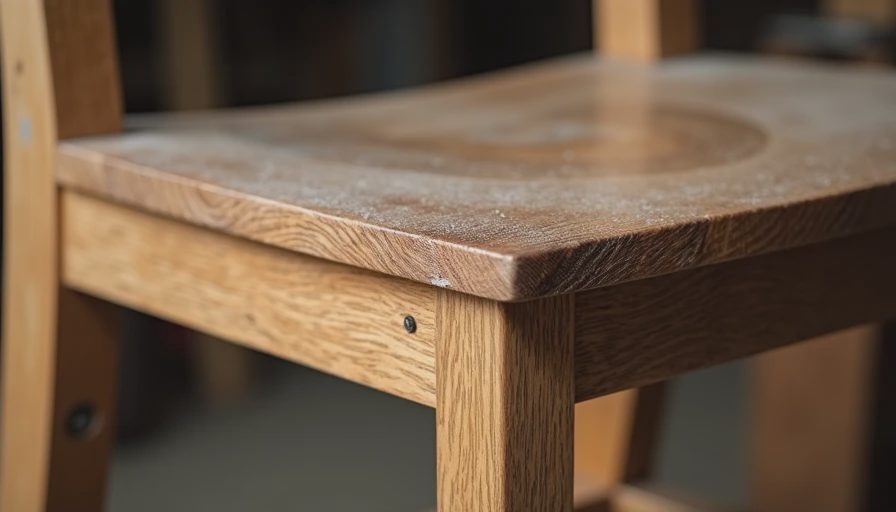
Construction is the real test. Open a drawer and look for dovetailed corners, a finished interior, smooth movement, and a bottom panel set into a groove rather than stapled underneath. On a table, check whether the apron is securely joined to the legs and whether the top has room to expand and contract with seasonal humidity. Those details tell you far more than a sign saying “handcrafted.”
Which pieces are worth buying
Dining tables are often the best place to spend money on Amish made furniture because the design is straightforward and the durability is easy to appreciate. A well-built table can survive homework, holiday meals, spilled drinks, and a move or two. Look for a top thick enough to feel substantial without appearing clumsy, legs that do not wobble, and leaves that align without a raised edge.
Bedroom furniture can also be an excellent purchase, especially a dresser or nightstand you expect to keep for decades. Check the back, not just the front. A thin cardboard back, unfinished drawer cavity, or flimsy dust panel can reveal cost cutting. Good case goods feel square when you pull out several drawers. The drawers should not rack, scrape, or require a hard shove to close.
I am more selective with chairs. A solid wood frame is useful, but comfort depends on seat angle, back shape, and upholstery quality. Sit for at least five minutes. If the chair pinches your thighs in the showroom, it will not become friendlier at the dinner table. For upholstered seats, ask whether the fabric is replaceable and whether the cushion can be re-covered by a local upholsterer.
Wood species, finishes, and real-world maintenance
A wood species is not automatically better because it costs more. Oak is a practical choice for a household with children because its grain disguises small marks. Cherry is beautiful but develops a richer color over time, so a tabletop partly covered by a runner can change differently from the exposed areas. Walnut is naturally dark and elegant, although lighter scratches can be more visible.
Finishes range from clear protective coatings to hand-rubbed oils and conversion varnishes. A low-sheen finish can make Amish made furniture look less formal and more current, but it still needs protection from standing water, hot dishes, and direct sunlight. Use coasters, wipe spills promptly, and avoid silicone-based dusting products that can complicate future refinishing.
Ask what happens if the table is damaged. A workshop that can provide touch-up instructions, replacement leaves, or refinishing support is more valuable than one that simply delivers a pretty piece. Also confirm dimensions before ordering. Custom furniture is often made to order, and a table that looks perfect online can overwhelm a narrow dining room or block a walkway.
What Amish made furniture should cost
Prices vary by wood, size, construction, finish, and customization, but useful ranges help. A solid hardwood nightstand may start around $400 and reach $900 or more. A well-made dresser commonly lands between $1,000 and $2,500. Dining tables often begin near $1,200 for a simpler design and can exceed $4,000 when you add larger dimensions, extension leaves, premium wood, or detailed bases.
That price is not automatically a bargain. Compare the specifications line by line. A $1,500 table with a solid top, durable finish, and properly fitted leaves may be a better buy than a $900 table with thinner material and expensive delivery. At the same time, you do not need walnut, ornate carving, or a ten-foot custom top to get good value. Mid-tier oak or maple is frequently the sensible choice for a first home.
Delivery deserves its own line in the budget. Large furniture can cost several hundred dollars to ship, and custom orders may take weeks or months. Confirm the lead time, delivery method, threshold requirements, and return policy before paying a deposit. Measure doorways, stair turns, elevators, and the final wall. I have seen beautiful furniture become a problem because nobody measured the corner at the top of the stairs.
How to shop without overpaying
Start with function and measurements, then choose the style. A 72-inch table may seat six comfortably, while a 96-inch table can require more clearance than expected. Leave roughly three feet for chairs and traffic wherever possible. For storage pieces, measure not only the wall but also the drawer pull clearance and nearby door swing.
Visit a showroom if you can, but ask direct questions. Who built the piece? Which wood is used on the top, sides, backs, and drawer interiors? Are the dimensions customizable? What hardware is included? Is the finish sample representative of the final color? Reputable sellers will answer without turning every question into a sales pitch.
If you are comparing Amish made furniture with a mass-market solid-wood collection, open every drawer and inspect the underside. Factory furniture can be perfectly serviceable, and a good factory-made table may be the better fit for a tight budget. The advantage of this category is usually repairability, customization, and stronger construction—not a magical exemption from poor design.
My buying recommendation
Buy Amish made furniture when you want a foundational piece that will stay in the house through changing decor: a dining table, dresser, bed, or storage cabinet. Spend on sound construction and useful proportions before decorative details. Choose a wood species that suits your habits, select a finish you are willing to maintain, and get the delivery terms in writing.
Skip pieces that rely on vague craftsmanship language while hiding the back, using thin drawer bottoms, or refusing to identify the wood. A good maker does not need exaggerated claims. The evidence is in the weight, the fit of the joints, the movement of the drawers, and the way the piece feels after ten minutes of inspection. That is the standard I use, and it is the best way to make a substantial furniture purchase without paying for a story instead of quality.
Keep Reading

Furniture Outlet Shopping: How to Find Quality Pieces at a Real Value
Furniture outlet shopping guide: learn how to judge frames, upholstery, delivery...

Grey Accent Chair Ideas: How to Choose One That Looks Expensive
Grey accent chair ideas for a polished, livable room. Learn which fabrics, frame...

Panel Bed Buying Guide: What Actually Matters Before You Buy
Panel bed buying guide: learn how to compare wood, upholstery, joinery, storage,...
Owner Letters
0 lettersNo letters yet — be the first to write one.