
Craftsman furniture: How to Buy Pieces That Age Well
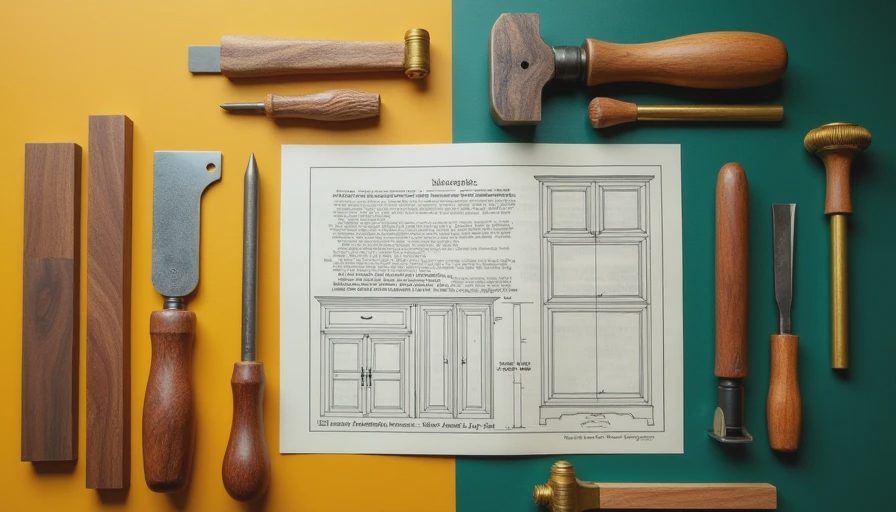
Craftsman furniture has a quality that is easy to recognize once you know where to look: straight lines, visible joinery, substantial wood, and very little decoration doing the heavy lifting. The best pieces feel calm rather than precious. They work in a 1920s bungalow, a new-build living room, or a rental where you need one convincing anchor piece instead of a complete makeover.
I have inspected plenty of furniture marketed as craftsman furniture, and the label is not always meaningful. Sometimes it describes a genuinely well-built oak sideboard. Sometimes it is simply a dark stain and a square leg. The difference is in the construction, the proportions, and what happens when you open a drawer.
What defines the style
The American Craftsman movement grew from the Arts and Crafts reaction against overly ornate, factory-made Victorian furniture. Designers favored useful forms and visible workmanship. In practical terms, that usually means quartersawn or figured oak, exposed tenons, flat panels, wide stiles, tapered legs, and a finish that lets the grain remain part of the design.
Good craftsman furniture is not necessarily rustic. Rustic pieces often celebrate knots, rough surfaces, and irregular edges. Craftsman work is more disciplined. Its beauty comes from balanced proportions and clean construction. A dining table might have a thick top, but the legs should still leave enough visual space around the chairs. A bookcase should feel sturdy without making a room look like a workshop.
The most successful color palette is warm and restrained: medium oak, walnut brown, muted green, clay, cream, and blackened metal. Avoid building an entire room from matching mission-style sets. One substantial cabinet or an oak coffee table usually makes more impact than six pieces with identical square details.
How to inspect the construction
Start with the frame, not the finish. On a table, press lightly against the corners. Movement does not automatically mean failure, but noticeable rocking in a new piece is a warning. Look underneath for corner blocks, bolts, or glued joints. A solid wood top can expand and contract across its width, so well-designed tables account for that movement rather than trapping the top rigidly.
Drawers are even more revealing. A good drawer should run smoothly, sit square in its opening, and have a bottom fitted into grooves rather than simply stapled underneath. Dovetail joints are useful, but they are not magic. A poorly cut dovetail is still poor construction. Check whether the drawer front is solid wood, veneer, or a decorative panel attached to a cheaper box.
With craftsman furniture, visible joinery should look intentional and consistent. If a seller points to pegs as proof of quality, inspect whether they are structural or just glued-on decoration. Open cabinet doors, look at the back, and ask what the shelves are made from. A thin fiberboard back may be acceptable on an inexpensive accent table; it is less reassuring on a $1,500 storage cabinet.
Choosing wood without overspending
Oak is the natural starting point for craftsman furniture because its open grain and prominent rays suit the style. Quartersawn white oak can show a flecked pattern often called ray figure, which adds interest without carving or ornament. It is also a practical choice for dining tables and cabinets because small marks tend to blend into the grain.
Walnut gives the same clean geometry a quieter, darker appearance, but it often costs more. Cherry starts pinkish and deepens with light, making it a good choice if you are comfortable with a finish that changes over time. Pine can work for a casual bench or painted piece, though it dents more easily and should not be confused with a durable hardwood option.
Veneer deserves a fair hearing. A properly applied hardwood veneer over a stable core can outperform an inexpensive solid-wood panel that splits or warps. Look for veneer on broad surfaces and solid wood on edges, legs, and structural rails. The question is not simply whether a piece says “solid wood.” Ask where solid wood is useful and where engineered construction creates stability.
Where to spend your money
Put the budget into pieces that carry weight or organize the room. A dining table, dresser, bookcase, or media cabinet deserves more scrutiny than a decorative stool. In a typical mid-market range, roughly $600 to $1,500 can buy a respectable oak occasional table or smaller cabinet, while a well-made dining table may run from $1,200 to $3,000 depending on size, wood, and labor.
That does not mean a $300 table is automatically a bad purchase. It may be the right answer for a first apartment or a room that is still evolving. Just understand the likely compromises: thinner material, veneer over composite board, simpler hardware, or a finish that will show scratches quickly. Craftsman furniture earns its price when the structure remains useful after the first few cosmetic marks.
I would rather buy one honest, well-proportioned cabinet than a matching set with decorative pegs and weak drawers. If you need several pieces, combine price points. Spend on the dining table, choose a mid-priced bench, and use secondhand chairs where the frames are sound. That approach creates a collected room and protects the budget.
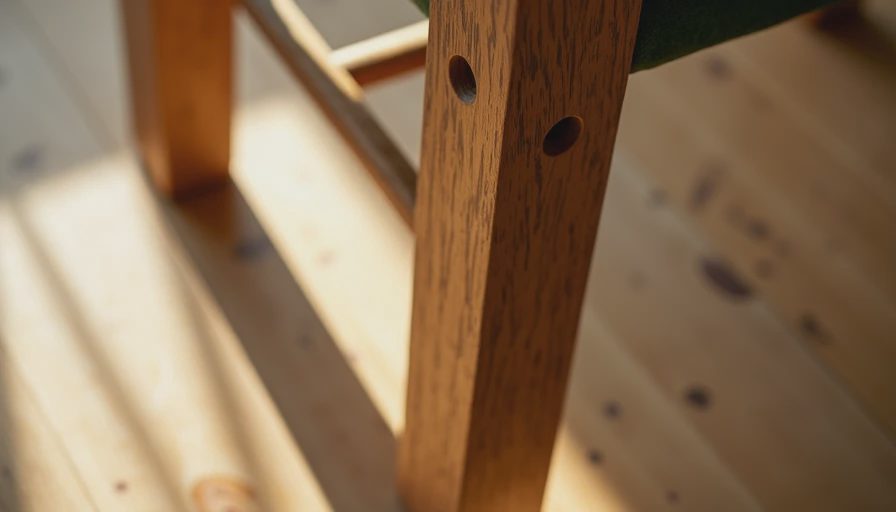
New, vintage, or custom?
New craftsman furniture gives you predictable dimensions, delivery, and finish options. Retailers such as Stickley are known for traditional Arts and Crafts interpretations, while many smaller makers offer simpler versions at more approachable prices. Read the specifications carefully because “inspired by” can cover everything from solid oak to a printed wood-look surface.
Vintage pieces can offer better materials for less money, but condition matters. Check for odors, swollen veneer, loose joints, water rings, and replacement hardware. A solid oak sideboard with dull finish and minor scratches may be an excellent buy at $400 to $900. A cabinet with severe warping can consume that entire savings in repair work.
Custom furniture makes sense when the room has an awkward wall, a specific storage need, or a long-term plan. Before ordering, confirm the wood species, finish sample, delivery route, lead time, and what happens if the piece arrives damaged. A written specification is more useful than a beautiful showroom photograph.
A practical buying checklist
Before paying, measure the room, doorway, elevator, and stair turns. Record the maximum depth you can live with, not just the open wall length. For a dining table, leave about 36 inches between the table edge and nearby walls or furniture where possible. For a cabinet, confirm that doors and drawers can open without hitting a radiator or chair.
Then inspect six points: the joinery, the drawer movement, the back panel, the hardware, the finish, and the warranty. Sit on benches and chairs for several minutes. Run your hand along exposed edges. A sharp corner, uneven sheen, or rough underside is a sign that the maker saved labor where you will eventually notice it.
Ask whether repairs are possible and whether replacement hardware can be ordered. Those details matter more than a trendy finish. Craftsman furniture should become easier to live with as it wears, not more fragile. The right piece will show use honestly, remain stable, and still look considered when the rest of your decor changes.
For most homes, the smartest purchase is a single substantial piece with clear proportions and reliable construction. Skip the imitation details, inspect the parts nobody photographs, and choose materials you are willing to maintain. That is how craftsman furniture moves from a style label to furniture you can actually keep.
Keep Reading

Furniture Outlet Shopping: How to Find Quality Pieces at a Real Value
Furniture outlet shopping guide: learn how to judge frames, upholstery, delivery...

Grey Accent Chair Ideas: How to Choose One That Looks Expensive
Grey accent chair ideas for a polished, livable room. Learn which fabrics, frame...

Panel Bed Buying Guide: What Actually Matters Before You Buy
Panel bed buying guide: learn how to compare wood, upholstery, joinery, storage,...
Owner Letters
0 lettersNo letters yet — be the first to write one.