
Farmhouse Furniture That Looks Good and Holds Up
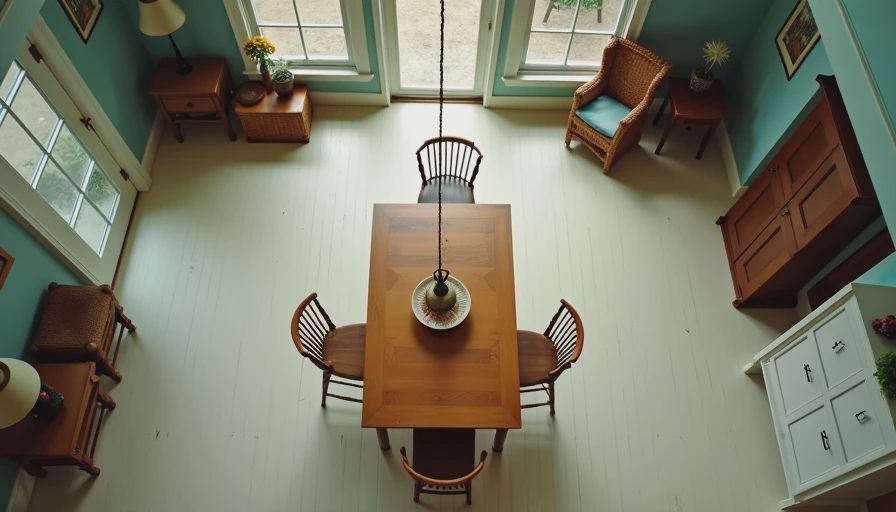
Farmhouse furniture has a way of making a room feel settled before you have finished unpacking the boxes. The appeal is not just shiplap, white paint, or a basket on a shelf. Good farmhouse furniture combines useful proportions, honest materials, and enough wear tolerance for daily life. After years of buying living and dining pieces, I have learned to look past the staged room and inspect the drawer, the joints, and the finish. That is where the real value shows up.
Start With the Wood, Not the Finish
The most convincing farmhouse furniture usually has a simple wood story. Oak, pine, maple, and acacia can all work, but they behave differently. Oak has a pronounced grain and handles family traffic well. Pine is softer and more affordable, which makes it a reasonable choice for a painted kitchen table or an occasional console, but it will dent sooner. Acacia often brings attractive variation at a midrange price, though its plank seams and finish quality deserve a close look.
Do not assume “solid wood” means every part is solid wood. A table may have a solid top and veneered sides, which is perfectly acceptable if the veneer is well applied. I would rather buy a carefully veneered cabinet with stable engineered panels than a poorly built piece advertised as all wood. Look for clean grain direction, even gaps, and doors that sit level. A rough interior edge is not charming; it is evidence that nobody spent much time finishing the piece.
When shopping for farmhouse furniture, ask whether the top is sealed against water and whether the finish can be repaired. A dining table that needs a coaster for every glass is decoration, not equipment.
Proportion Beats Decoration
The fastest way to make farmhouse furniture look forced is to buy every familiar cue at once: distressed wood, black metal, sliding barn doors, rope handles, and oversized signs. One or two references are enough. The room should feel collected, not like a themed rental cabin.
Measure before browsing. A dining table needs enough clearance for chairs and walking paths, while a sideboard should leave room for cabinet doors to open without hitting a chair. In a living room, a coffee table typically works best when it sits close enough to reach but leaves a comfortable route around the seating. I also prefer farmhouse furniture with slightly lighter visual weight in smaller rooms. A chunky trestle table can be handsome, but it can overwhelm a 10-by-12-foot dining area.
Color matters just as much. Warm white, muted gray, natural oak, tobacco, and soft black tend to age better than artificial crackle finishes. If the room already has exposed brick or heavy beams, choose quieter pieces. If the architecture is plain, a substantial wood table can supply the character without adding decorative clutter.
What to Inspect in a Dining Table
A farmhouse dining table is where construction problems become obvious. Sit at each side and check whether the top shifts when you lean on it. Test the leaves if it expands. They should align without a pronounced ridge, and the support mechanism should not feel flimsy or difficult to operate. A trestle base provides the classic look, but make sure the supports do not interfere with knees at the table ends.
At roughly $500 to $900, you can find respectable tables with solid tops, straightforward bases, and serviceable finishes. Around $1,000 to $1,800, the better options usually offer stronger joinery, thicker tops, smoother extension hardware, and more consistent finishing. You do not need to spend $3,000 for a useful family table, but the cheapest version often saves money through thin tops, hollow legs, or a finish that shows every ring mark.
For farmhouse furniture used every day, a few small construction details are worth paying for. Look for corner blocks, properly secured aprons, and bolts that can be tightened. A table that can be maintained is a better purchase than one that only looks sturdy in a product photograph.
Cabinets, Dressers, and the Drawer Test
Storage is where farmhouse furniture earns its keep. A sideboard, media console, or bedroom dresser should do more than provide a distressed backdrop for pottery. Open every drawer. The motion should be quiet and reasonably smooth, with no scraping against the frame. Full-extension slides are convenient because they let you reach the back, but a well-made partial-extension drawer can still be perfectly functional.
Check the drawer bottom, especially on larger pieces. Thin fiberboard stapled into a groove may hold light clothing, but it is not a strong choice for heavy dishes or linens. Dovetail joints are a positive sign, although they are not magic; a poorly aligned dovetail is still poor construction. Also inspect the back panel. A thin back is normal on some case goods, but it should be secured firmly enough to prevent the cabinet from racking side to side.
This is where farmhouse furniture at the $700 to $1,200 level often becomes the smart middle ground. You can get solid-feeling doors, better hardware, and a finish with some depth without paying for a showroom label. Spend more when the piece is unusually large, heavily used, or difficult to replace. Do not spend more simply because the marketing copy says “heritage.”
Upholstery Needs a Practical Translation
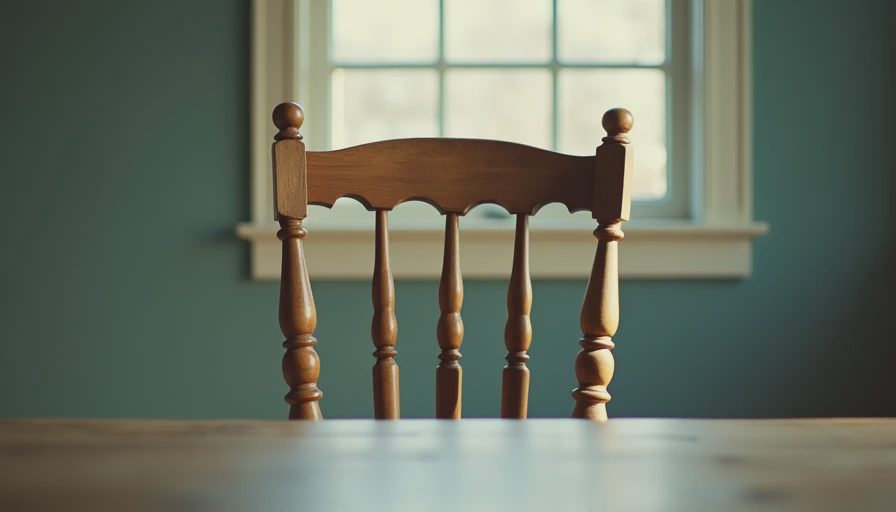
Farmhouse furniture is often discussed as if it is all wood, but upholstered seating determines whether the room is comfortable. Look for a kiln-dried hardwood or engineered hardwood frame, reinforced corners, and cushions that recover after you stand up. A seat that feels soft in a showroom may collapse quickly if it uses low-density foam and loose fiber with no supportive core.
Performance fabric can be useful for households with children, pets, or frequent guests, but ask what “performance” means. Some fabrics resist stains, while others are simply tightly woven. A removable, washable cover is helpful, but it does not automatically indicate a better sofa. Examine the zipper, seams, and underside of the cushion. At a minimum, the fabric should feel even and the pattern should line up across major seams.
For the classic look, combine one upholstered anchor with wood accents rather than buying a matching suite. A linen-look sofa, oak coffee table, and painted cabinet create more balance than six distressed pieces competing for attention. Farmhouse furniture works best when comfort leads and style supports it.
How to Build the Room Without Overspending
Start with the piece that has the hardest dimensions to solve, usually the dining table, sofa, or bed. Buy that item first, then choose supporting pieces with related wood tones rather than identical finishes. Matching every surface is rarely necessary. A honey-oak table can sit comfortably near a painted console if both share a warm undertone.
Set aside money for delivery and hardware. A $900 sideboard with poor handles can look cheaper than a $650 piece with sturdy pulls and clean installation. Replacing knobs is an easy upgrade, but correcting a warped door is not. For farmhouse furniture, I would prioritize solid or stable case construction, usable storage, and a finish that can take minor repairs. Decorative distressing ranks last.
Before ordering, tape the furniture footprint on the floor and measure doorways, stair turns, elevators, and hallway corners. Many return charges run from $100 to several hundred dollars, and a piece that cannot enter the house is an expensive lesson. Read the warranty for frame coverage, finish exclusions, and damage-reporting deadlines.
The strongest farmhouse furniture choices are not the ones with the loudest styling. They are the tables that stay steady, the drawers that open cleanly, and the chairs people keep pulling toward the table years later. Spend on structure, simplify the finish, and let genuine use create the character that no factory distressing can convincingly imitate.
Keep Reading

Minimalist furniture: How to Buy Pieces That Look Good and Last
Minimalist furniture for real homes: learn how to judge materials, joinery, comf...

How to Choose a Wood Desk That Holds Up to Real Life
Find a wood desk that earns its space with solid construction, useful storage, a...

Armchair Armchair: How to Choose a Comfortable, Well-Made Chair
Armchair armchair buying advice from a former furniture buyer: learn how to judg...
Owner Letters
0 lettersNo letters yet — be the first to write one.