
Mid-Century Modern Furniture That Holds Up in a Real Home

Mid-century modern furniture is easy to recognize and surprisingly easy to get wrong. A tapered leg and walnut-colored finish do not automatically make a piece well designed, comfortable, or durable. After years of buying living room and dining furniture, I look past the silhouette first. I want to know what is under the veneer, how the drawers move, whether the sofa frame can handle daily use, and if the proportions will still work after you bring home a rug and a television.
The good news is that you do not need a museum-quality original or a $5,000 designer label. The best mid-century modern furniture usually sits in the sensible middle: thoughtful construction, useful dimensions, and materials that age rather than simply photograph well.
Start with the silhouette, not the label
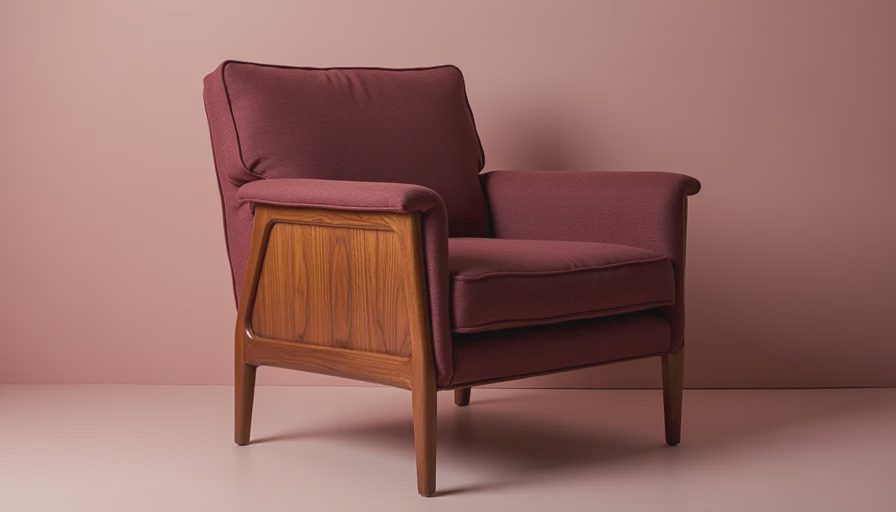
The recognizable language includes clean lines, low visual weight, gently angled legs, restrained ornament, and a balance between straight edges and soft curves. That does not mean every item needs to look like it came from a 1950s catalog. One walnut sideboard, a shaped lounge chair, or a slim credenza can establish the mood without turning the room into a theme set.
Scale matters more than the period reference. A sofa that is 34 inches deep can feel generous in a compact apartment, while a 40-inch-deep version may swallow the same room. Measure doorways, stair turns, and the wall where the piece will sit. For a dining table, leave roughly 36 inches behind occupied chairs when possible. A beautiful table that blocks the path to the kitchen is not a successful purchase.
When I review mid-century modern furniture, I also check the height relationship between pieces. A low sofa needs a coffee table close to seat height, usually within a few inches. A tall floor lamp beside a squat credenza creates useful contrast, but a high-back chair next to a low sofa can make the room feel accidental.
What the materials actually tell you
Walnut, teak, oak, and ash can all work well, but the description needs careful reading. Solid wood is valuable on legs, rails, and exposed edges. Veneer is not a failure; good veneer is a thin layer of real wood applied over a stable substrate, and it often prevents large panels from warping. The problem is a vague finish that imitates grain with printed paper or a plastic film.
Open a drawer if you can. A quality drawer should move smoothly, sit squarely, and have a bottom that is captured in a groove rather than stapled loosely underneath. Dovetail joints are a positive sign, but cleanly executed dowels and reinforced corner blocks can also perform well. Look at the back and underside, where weak construction is often hidden.
For upholstered mid-century modern furniture, ask about the frame and cushion before worrying about the fabric color. Kiln-dried hardwood frames, corner blocking, and a suspension system with properly spaced webbing or sinuous springs are useful indicators. Seat foam around 1.8 to 2.2 pounds per cubic foot is a reasonable range for many everyday sofas; higher density can improve longevity, while a soft down wrap changes the feel and requires regular fluffing.
Price tiers and where the value usually lands
At roughly $300 to $700, you can find attractive occasional tables, lamps, and simple dining chairs, but inspect assembly points carefully. This is where thin metal hardware, hollow legs, and shiny faux wood appear most often. A table in this range can be a good buy for a guest room or light use, provided it does not wobble and the finish is consistent.
From about $800 to $1,800, the selection improves noticeably. This is often the value line for a dining table, credenza, or compact sofa. You are more likely to see real veneer, better hardware, and serviceable upholstery without paying primarily for a famous name. Brands such as Article, Joybird, West Elm, and Room & Board occupy different parts of this broad market, so compare specifications rather than assuming one label wins every category.
Above $2,000, you should expect a meaningful improvement, not merely a more convincing product photograph. Look for better cushion construction, thicker veneer, stronger drawer slides, solid wood components, and a finish that can be repaired or renewed. If those details are missing, step back down a tier and spend the difference on delivery, a proper rug pad, or a chair you will use every day.
The pieces I would buy first
A credenza is usually the safest starting point. It provides storage, hides electronics, and brings the period look without demanding that every other object match. Choose adjustable shelves if you have a game console or unusually tall equipment. Cable management is not glamorous, but a rear opening prevents the wall behind the piece from becoming a knot of wires.
A dining table is another strong investment. A rectangular top between 72 and 84 inches seats six comfortably in many homes, while a round table can improve circulation in a tight room. Check whether the extension leaves a visible seam and whether the leaves store inside the table. If they must live in a closet, you are less likely to use them.
Sofas require the most caution. Sit for at least ten minutes if possible. Your knees should not be forced upward, the back should support you without a loose pillow swallowing your shoulders, and the seat should not feel like a board or a hammock. Mid-century modern furniture often has a lower profile, so confirm that the seat height works for everyone who uses it.
Common mistakes that cost more later
The first mistake is buying an entire matching set. Matching walnut tones can vary across manufacturers, and a room filled with identical legs looks staged rather than collected. Mix one wood finish with painted pieces, metal, or a vintage-looking accent. The second mistake is choosing a sofa by its exterior shape alone. A sculptural arm is irrelevant if the cushions flatten in a year.
Another problem is ignoring maintenance. White or pale boucle can look excellent, but it is less forgiving around pets, children, and red wine than a tightly woven performance fabric. Leather can be practical, though quality varies widely; ask whether it is full-grain, top-grain, or a corrected finish, and understand that natural leather develops variation.
Finally, do not skip delivery planning. Measure the package, not just the finished item. A 36-inch-wide doorway may not accept a fully assembled 38-inch cabinet, even if the room has plenty of space. Confirm whether a retailer offers threshold delivery, room placement, assembly, and removal of packaging before you place the order.
A buyer's checklist before checkout
Write down the finished dimensions, package dimensions, materials, cushion fill, warranty terms, return window, and delivery cost. Then inspect the product photos for consistency: do the grain patterns continue across doors, are the legs attached securely, and is the back finished if it will be visible? Ask customer service direct questions and save the answers.
For mid-century modern furniture bought online, reviews are most useful when they mention measurements, comfort after several months, drawer alignment, and delivery condition. Ignore reviews that only say the item is cute. A five-star color review tells you almost nothing about a frame.
The smartest room is not the one with the most retro references. It is the one where every piece earns its footprint. Buy the solid credenza, the comfortable sofa, and the table whose finish will tolerate real life. Mid-century modern furniture should make a home easier to live in, not turn every meal into a reminder to use coasters.
Keep Reading
Farmhouse Furniture That Looks Good and Holds Up
Farmhouse furniture buying guide: learn which wood, joinery, finishes, and price...

Minimalist furniture: How to Buy Pieces That Look Good and Last
Minimalist furniture for real homes: learn how to judge materials, joinery, comf...

How to Choose a Wood Desk That Holds Up to Real Life
Find a wood desk that earns its space with solid construction, useful storage, a...
Owner Letters
0 lettersNo letters yet — be the first to write one.