
Small Sectional Buying Guide: What I Look For Before I Buy
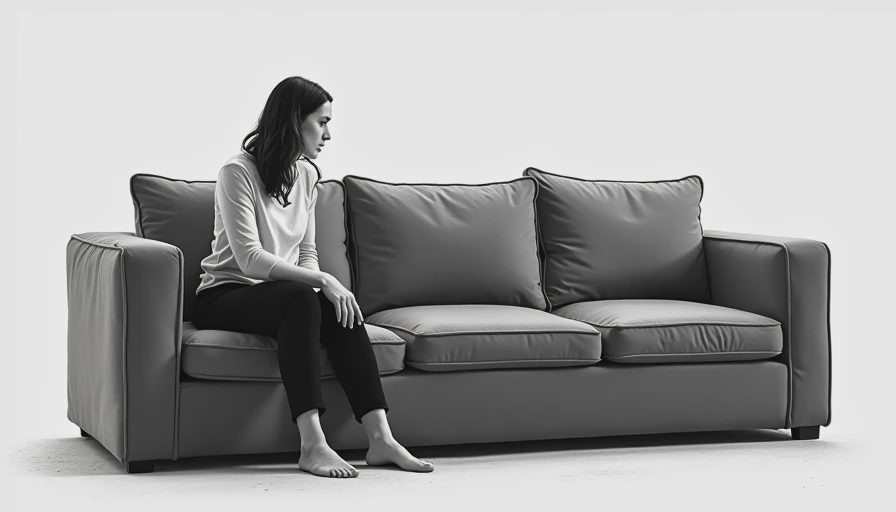
A small sectional can solve a difficult room better than a sofa and chair ever will. It gives you a proper place to stretch out, defines an open floor plan, and often seats three or four people without swallowing the room. I have inspected thousands of upholstered pieces, and the best small sectional is not necessarily the most expensive one. It is the one with sensible proportions, a durable frame, and cushions that still feel good after an hour.
The first mistake I see is shopping by appearance alone. A piece can look compact online and arrive with a 40-inch-deep chaise, oversized arms, and a footprint that leaves no walkway. Before looking at color or throw pillows, measure the room, the delivery route, and the wall where the sectional will sit.
Start with the room, not the product page
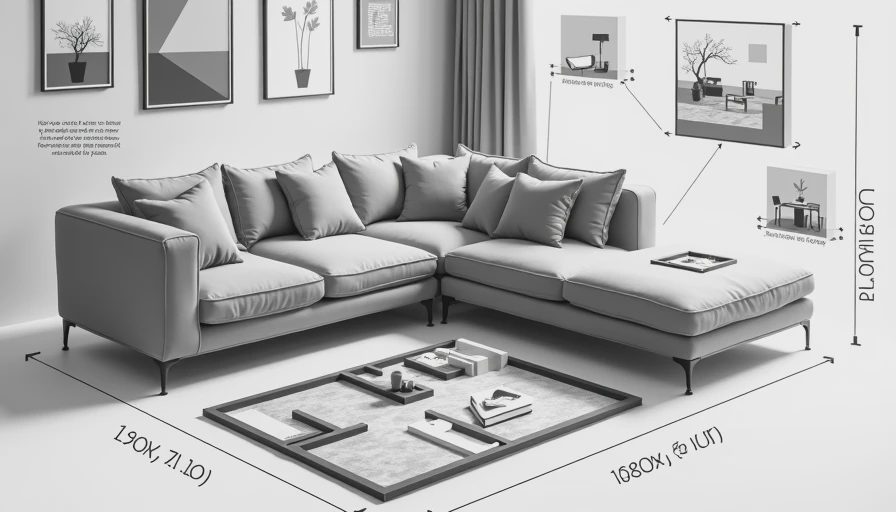
For most apartments, offices, and modest living rooms, a small sectional between 80 and 95 inches wide is a useful starting range. That is not a rule, but it gives you enough seating without making the room feel built around the sofa. Measure from baseboard to baseboard, then subtract at least 30 inches for a comfortable walking path. If the sectional faces a television or coffee table, leave roughly 16 to 18 inches between the table and the front edge of the cushions.
Pay close attention to the chaise orientation. A left-arm-facing chaise is on your left when you face the sectional, while a right-arm-facing chaise is on your right. Retailers do not always describe this consistently, so study the product diagram rather than trusting a thumbnail image. A reversible chaise is often the smartest choice for renters or anyone who rearranges furniture frequently, although the connecting hardware can feel less integrated than a fixed design.
Measure door openings, stair turns, elevator interiors, and narrow hallways. I have seen buyers successfully fit a 90-inch sectional into a small rowhouse, then discover that the 38-inch-deep frame could not clear the first landing. Add the packaged dimensions to your notes, not just the finished dimensions.
Construction details that separate value from false economy
At the low end, a small sectional may use a particleboard platform, loose sinuous springs, and soft foam that feels impressive in a showroom for ten minutes. That does not automatically make it a bad purchase, but it does mean you should expect more cushion maintenance and a shorter useful life. For a main sofa used every evening, I prefer a kiln-dried hardwood or engineered hardwood frame with reinforced corner blocks and evenly spaced suspension.
Sinuous springs are common and perfectly serviceable when they are heavy-gauge, closely spaced, and securely attached. Eight-way hand-tied springs sound impressive, but they are not the only route to a comfortable seat, especially at this size. More important is how the platform supports the foam and whether the seat front sags when you sit down.
Ask about cushion density instead of accepting vague words such as cloudlike or plush. A seat cushion around 1.8 to 2.2 pounds per cubic foot is a reasonable range for everyday residential use. Higher density generally holds its shape longer, though comfort also depends on the foam blend, fiber wrap, and cushion thickness. If the seller will not disclose any construction information, treat that silence as information.
Choose fabric for the way you actually live
Performance polyester, tightly woven chenille, and solution-dyed acrylic blends are usually practical choices for a busy household. They resist everyday wear and offer more cleaning flexibility than delicate linen or loosely woven bouclé. A small sectional in a pale, nubby fabric can look excellent in a staged photograph and become a magnet for crumbs, snags, and dark marks in a real living room.
Look for a removable cushion cover, a zipper that is sewn cleanly, and a care code you understand. Water-based cleaning codes are more forgiving than solvent-only instructions, but no upholstery is stain-proof. For a home with pets, I would choose a tightly woven medium-tone fabric and avoid exaggerated texture. For a formal sitting room, a linen blend can be worth the extra care because the relaxed surface is part of the appeal.
Do not overvalue a high double-rub number. Testing methods differ, and a fabric with an enormous commercial rating is not automatically softer or better-looking. Run your hand across a swatch, press a fingernail lightly into it, and inspect the weave under bright light. That simple check tells you more about snag risk than a marketing headline.
Comfort is about posture, not just softness
A small sectional should support the way you sit most often. If you sit upright to read, look for a seat depth around 21 to 23 inches and a back that reaches at least your shoulder blades. If you lounge with your feet tucked up, a chaise depth of 60 to 65 inches is more useful than an especially deep seat across the entire piece.
When testing one in person, sit in the corner, the middle seat, and the chaise. The corner should not feel like a hard wedge, and the chaise should not slope so sharply that your hips slide forward. Check whether your knees bend comfortably over the front edge. A sofa that feels soft in a store can become exhausting if your lower back has no support.
For online purchases, read reviews for specific details rather than star averages. Comments about cushion flattening, shipping damage, frame noise, and difficult assembly are more useful than “looks just like the picture.” A small sectional with medium-firm cushions is usually easier to live with than one that relies on loose fiber for its initial softness.
What to expect at different price points
Under about $1,000, you can find a functional small sectional, especially during seasonal sales, but expect more assembly, fewer fabric choices, and cushions that need regular fluffing. This range works well for a first apartment, guest room, or temporary furnishing plan. Inspect the return policy carefully because a large-box return can cost several hundred dollars.
Between $1,200 and $2,500 is where I often find the best value. The frame specifications are clearer, fabrics improve, and cushions tend to feel more balanced. Brands such as IKEA, Article, West Elm, and Room & Board occupy different parts of this range and use different construction approaches, so compare the actual model rather than assuming the label tells you everything.
Above $2,500, you may gain customization, better upholstery options, and more refined tailoring. You do not automatically gain proportion or comfort. I would spend the extra money on a better fabric, a stronger cushion core, or white-glove delivery before paying for decorative piping that nobody notices after the first week.
A practical buying checklist
Before ordering a small sectional, write down the maximum width, maximum depth, chaise side, seat height, and doorway measurements. Confirm whether the back separates from the frame and whether the legs arrive attached or packed inside. Ask whether replacement covers or cushions can be ordered later; that matters more than a trendy color.
Next, compare the warranty with the expected use. A one-year limited warranty is common in budget furniture, while stronger frames and better upholstery programs often receive longer structural coverage. Read exclusions for pilling, normal compression, pet damage, and fabric performance. These details prevent an unpleasant argument after six months.
Finally, order a fabric swatch and live with it for a few days. Look at it in morning light, lamp light, and next to your flooring. Beige can turn pink beside warm oak, while cool gray can look blue against white walls. The right small sectional should make the room easier to use, not force you to redesign everything around it.
A well-chosen small sectional is one of the few furniture purchases that can improve both comfort and traffic flow. Skip the piece that wins only on a polished photograph. Measure first, inspect the frame, test the seat depth, and spend your budget where your body and your daily routine will notice it. That is how you get a small sectional that still feels like a smart buy years after delivery.
Keep Reading

Minimalist furniture: How to Buy Pieces That Look Good and Last
Minimalist furniture for real homes: learn how to judge materials, joinery, comf...

How to Choose a Wood Desk That Holds Up to Real Life
Find a wood desk that earns its space with solid construction, useful storage, a...

Armchair Armchair: How to Choose a Comfortable, Well-Made Chair
Armchair armchair buying advice from a former furniture buyer: learn how to judg...
Owner Letters
0 lettersNo letters yet — be the first to write one.