
How to Choose the Best Mattress for Heavy People
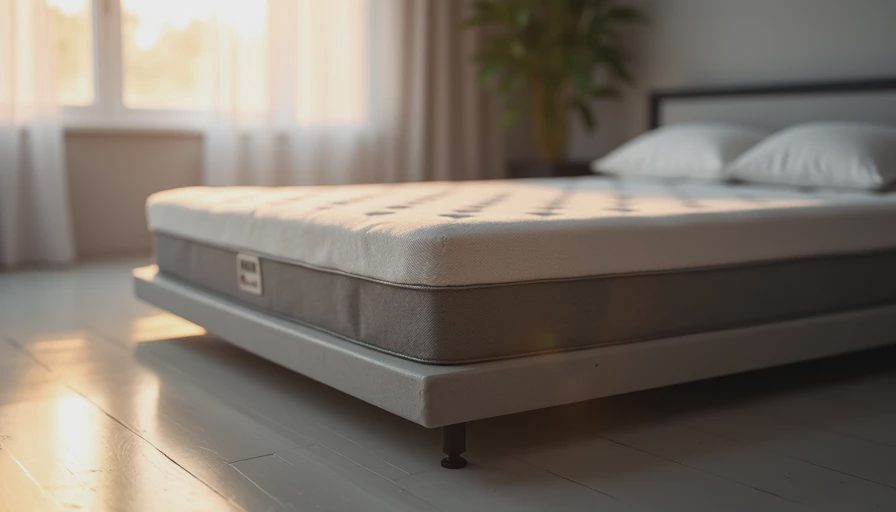
Shopping for the best mattress for heavy people is not about finding the hardest bed in the showroom. It is about matching strong support, durable materials, and enough pressure relief to your body and sleeping position. A mattress that feels impressive for five minutes can develop soft spots, edge breakdown, or uncomfortable sink after months of nightly use. I have learned to look past the cover fabric and marketing language and focus on what is underneath.
For most shoppers, the sweet spot is a well-built hybrid with individually wrapped coils, substantial comfort layers, reinforced edges, and a medium-firm to firm feel. All-foam beds can work, particularly for side sleepers, but the foam needs enough density and thickness to resist permanent impressions. Price matters, too. You do not need a luxury mattress costing $4,000, but a suspiciously cheap queen with thin foam is rarely a smart long-term purchase.
What makes the best mattress for heavy people different?
A heavier sleeper places more force on the comfort layers and support core, especially around the hips and shoulders. That means a mattress must resist sagging without feeling like a board. Look for a support system with strong coils or a high-density foam core. In hybrids, a coil count alone does not tell the whole story; coil gauge, arrangement, perimeter reinforcement, and the quality of the foam above the coils matter just as much.
The best mattress for heavy people should also have useful edge support. Sit on the side and notice whether it collapses immediately. Strong edges make getting in and out easier and preserve the usable sleep surface, which is important when two adults share a queen or king. A mattress with weak edges can feel several inches narrower than its advertised dimensions.
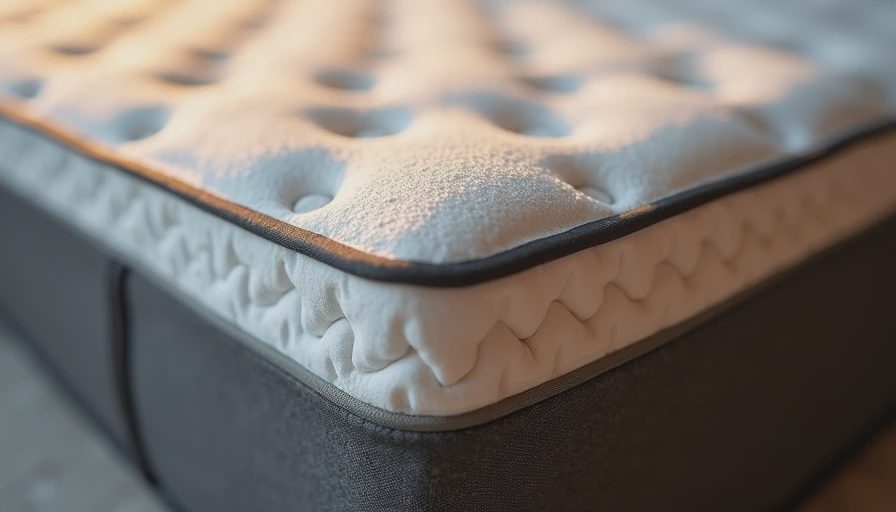
Comfort layers deserve close attention. Dense polyfoam, latex, and properly supported memory foam are generally better bets than a tall stack of soft, inexpensive foam. A plush top is not automatically a problem, but excessive softness allows the heavier parts of your body to sink farther than the rest. That can leave your spine bent and your lower back sore in the morning.
Hybrid, latex, or all-foam?
For many sleepers, a hybrid is the safest starting point. The coil core provides lift, airflow, and easier movement, while foam or latex cushions pressure points. A medium-firm hybrid around 11 to 14 inches thick often offers a practical balance for a couple with different preferences. Brands such as Saatva, Helix, WinkBed, and Brooklyn Bedding offer models with different firmness choices, but compare the actual construction rather than buying based on the brand name alone.
Latex is another strong option. It has a buoyant feel, so you sleep more on top of the mattress instead of sinking deeply into it. Natural latex is generally durable and temperature-neutral, though a latex mattress can feel springier than memory foam. If you change positions often or dislike the trapped feeling of slow-response foam, latex is worth trying.
All-foam mattresses are not automatically disqualified. A dense foam core can provide excellent motion isolation, which is helpful when a partner moves at night. The concern is long-term compression. I would be cautious with a very soft all-foam mattress, especially if the product does not clearly explain its foam densities or support design. When those specifications are missing, the low price is doing too much of the selling.
Choosing firmness and thickness
Firmness is personal, but body weight changes how a mattress feels. A bed labeled medium can feel noticeably softer to a heavier sleeper because the materials compress farther. Side sleepers often need enough cushioning around the shoulder and hip, while back and stomach sleepers usually need more resistance to keep the midsection from sinking.
As a starting point, side sleepers can consider medium-firm with a comfort layer that is two to four inches thick. Back sleepers often do well with medium-firm or firm support and moderate cushioning. Stomach sleepers should be especially careful with thick pillow tops; too much sink can strain the lower back and make breathing feel restricted.
Thickness is useful, but it is not a quality score. A 16-inch mattress made with low-density foam is not necessarily better than a carefully constructed 12-inch model. Pay attention to the support core and usable material, not decorative height. A removable or washable cover is convenient, but it does not compensate for weak internal construction.
Features worth paying for
Reinforced perimeter support is one feature I would prioritize. It improves sitting comfort, makes the bed easier to use, and reduces the feeling that you are rolling toward the edge. Zoned support can also help, particularly when the center third is firmer beneath the hips. It should not feel like a ridge, though; aggressive zoning can be distracting for people who move around.
Temperature control is another consideration. Coils allow more air movement than a solid foam core, while latex usually feels less heat-retentive than traditional memory foam. Cooling covers are pleasant, but they have limited impact if the main comfort layer is thick, dense, and heat-trapping. A breathable protector and lightweight cotton sheets often make a more noticeable difference for less money.
Motion isolation is important for couples. Pocketed coils generally limit movement better than old-fashioned connected coils, and memory foam absorbs motion particularly well. The best mattress for heavy people who share a bed should balance isolation with ease of movement. A mattress that swallows you may stop vibrations but make every nighttime turn feel like work.
How much should you spend?
A realistic budget for a durable queen mattress is roughly $1,000 to $2,500 before sales. Around $700 to $1,000, you can find credible online hybrids, but read the warranty terms and return policy closely. Between $1,200 and $1,800, the mid-tier options often provide the strongest value: better coils, thicker comfort layers, and more meaningful edge support without luxury-brand pricing.
I would not stretch your budget for embroidered covers, adjustable bases bundled into a package, or a long list of cooling claims. Spend on the support core. A mattress that feels slightly plain but remains stable after years is a better buy than a dramatic pillow top that softens quickly.
Online prices change frequently, so compare the trial period, delivery charges, pickup policy, and warranty exclusions. A warranty usually covers manufacturing defects, not every impression or comfort change. You also need a suitable foundation; placing a new mattress on widely spaced or damaged slats can undermine support and complicate a future claim.
A practical buying checklist
Before ordering, identify your primary sleeping position and whether you share the bed. Then check the mattress dimensions, weight limits if published, support-core materials, foam details, edge construction, and trial period. If the company avoids basic construction information, move on. Transparency is part of product quality.
At home, give the mattress at least several nights before making a final decision, unless it causes sharp pain or obvious structural discomfort. New materials can feel different from the bed in a showroom, and your body may need time to adjust. Keep the packaging and confirm the return steps before the trial window begins.
The best mattress for heavy people should leave you supported rather than suspended, cushioned rather than swallowed, and confident that the surface will hold its shape. My practical choice for most buyers is a medium-firm hybrid from a company with clear specifications, a substantial trial period, and straightforward pickup. Skip the tallest mattress with the softest showroom feel. Buy the one with the strongest structure where it actually counts.
Keep Reading

How to Choose the Best Standing Desk for Your Home Office
Find the best standing desk for your room, budget, and work habits. Compare stab...
How to Choose the Best Mattress for Side Sleepers
Find the best mattress for side sleepers with practical picks, material advice, ...
Wirecutter Furniture Reviews: How to Find Pieces That Actually Last
wirecutter furniture reviews can narrow the field, but a former buyer explains h...
Owner Letters
0 lettersNo letters yet — be the first to write one.