
How to Choose the Best Mattress for Side Sleepers
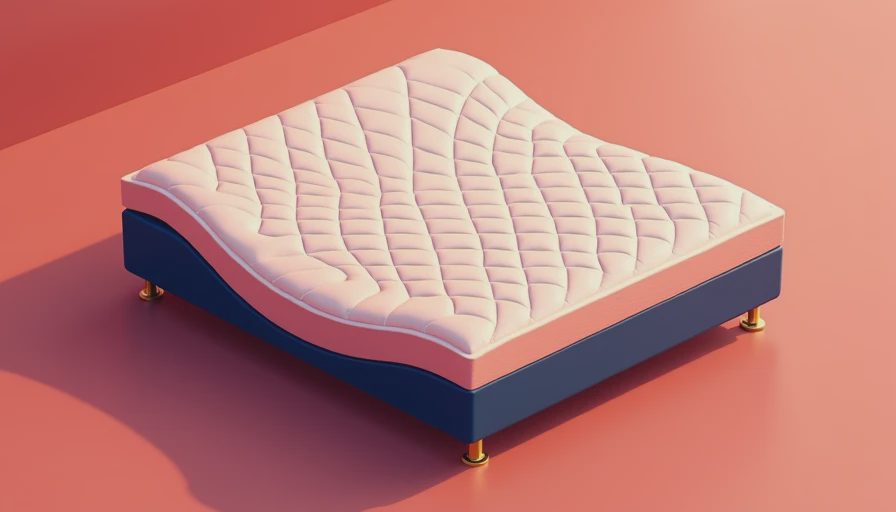
If you sleep on your side, the best mattress for side sleepers is not simply the softest bed in the showroom. Your shoulder and hip need room to sink while your waist and spine stay supported. I have spent years evaluating furniture and bedding construction, and the pattern is consistent: a mattress that feels luxurious for five minutes can feel lumpy, hot, or unsupportive by morning. The right choice comes down to pressure relief, stable support, and materials that hold their shape.
What side sleepers actually need
Side sleeping creates concentrated pressure at the shoulder and hip. A very firm mattress can push against those joints, causing numbness or soreness. A mattress that is too soft creates a different problem: your midsection sinks farther than your shoulders, leaving your spine bent instead of reasonably level.
For most adults, a medium-soft to medium feel is the sensible starting point. On the common firmness scale, that usually means roughly a 4 to 6 out of 10. Heavier sleepers may prefer a slightly firmer surface because they compress the comfort layers more deeply. Lighter sleepers often need more surface cushioning to feel supported without bottoming out.
Pay attention to the transition layer beneath the top foam. It is the part that keeps your body from dropping straight into the support core. In a well-built mattress, the upper layers cushion your shoulder while the lower layers gradually push back. That gradual response is more useful than a thick pillow-top that collapses after a few years.
Foam, latex, or hybrid construction?
Memory foam is often a strong choice because it molds closely around the shoulder and hip. It can reduce pressure points and isolate movement, which is useful if a partner changes positions during the night. The tradeoff is heat and a slower response. Dense foam can feel like you are climbing out of a shallow impression rather than simply rolling over.
Latex has a springier feel. It cushions without enveloping you as deeply, so it is easier to move across the surface. Natural latex models also tend to have good durability, but they often cost more and can feel too buoyant for someone who wants a deep memory-foam cradle.
Hybrid mattresses combine foam or latex comfort layers with pocketed coils. This is the construction I usually recommend when a shopper wants pressure relief without the stagnant feel of an all-foam bed. The coils provide airflow, edge support, and a quicker response. Look for individually wrapped coils rather than an old-fashioned interconnected spring unit, especially if motion transfer matters.
The best mattress for side sleepers can use any of these constructions, but material quality matters more than the label. A hybrid with a thin, low-density comfort layer will not automatically outperform a thoughtfully designed foam mattress.
Models and price ranges worth considering
At the value end, brands such as Brooklyn Bedding and Nolah frequently offer side-sleeper-friendly designs during regular promotions. Expect roughly $700 to $1,400 for a queen, depending on construction and sale timing. These beds can be excellent for a guest room or a first apartment, but read the warranty and trial terms carefully. A lower price is less useful if the comfort layer is too thin for your body type.
In the middle of the market, the Helix Midnight and Saatva Memory Foam Hybrid are examples of mattresses designed around balanced pressure relief rather than extreme softness. A queen commonly lands around $1,200 to $2,000 before promotions. Helix offers multiple firmness directions, while Saatva tends to emphasize a more lifted, traditional surface. Neither approach is universally better; it depends on whether you like to sink into the bed or rest more on top of it.
Tempur-Pedic remains a recognizable choice for a dense, slow-moving foam feel. It can be very comfortable for a side sleeper who wants close contouring, though the price is higher and the response is slower. If you dislike heat or have trouble changing positions, a breathable hybrid may be a better use of the budget.
The best mattress for side sleepers is often found in this middle range, where the manufacturer can afford meaningful comfort depth, decent edge structure, and a reliable sleep trial without charging purely for showroom prestige.
How to test a mattress without fooling yourself
Do not decide based on the first minute. Lie on your side for at least 10 to 15 minutes, preferably in your normal sleeping position. Notice whether your shoulder feels compressed, whether your hip is sinking sharply, and whether your neck stays aligned with the rest of your spine. A pillow that is too flat can make a good mattress feel wrong, so test with a pillow close to the height you use at home.
Try rolling toward your back and then returning to your side. If the surface grips you so strongly that movement requires effort, the foam may be too slow or too soft. Sit near the edge, too. You should feel support rather than a sudden collapse. Edge performance matters when getting out of bed, dressing, or sharing a smaller queen mattress.
For an online purchase, use the sleep trial strategically. Give your body several weeks to adjust, but do not ignore persistent shoulder pain, lower-back strain, or overheating. Rotate the mattress only if the manufacturer permits it; most modern mattresses are not designed to be flipped.
Details that affect long-term value
Check the thickness and density of the comfort layers, not just the total mattress height. A 14-inch mattress can contain a generous support core and a skimpy top, while a 10-inch design may place more of its material where your body actually needs it. Manufacturers do not always publish foam density, but customer support should be able to explain the layer structure.
A removable cover is convenient for spot cleaning, but it does not make a mattress washable. Use a breathable protector that does not add a noisy plastic feel. A strong platform or closely spaced slatted base also matters. If the foundation flexes excessively, even the best mattress for side sleepers can feel softer and less stable than intended.
Warranties cover manufacturing defects, not ordinary comfort changes or personal preference. The sleep trial is therefore the more important policy. Confirm the return fee, pickup process, and required break-in period before checkout. Those details can turn a supposedly inexpensive purchase into an expensive hassle.
My practical buying recommendation
Start with a medium or medium-soft hybrid if you share a bed, sleep hot, or dislike the stuck-in-foam sensation. Choose all-foam memory foam if pressure relief and motion isolation are your top priorities. Choose latex if you want a resilient surface and easy movement, and accept that the feel is less plush.
For most shoppers, I would spend enough to get substantial comfort layers and a transparent trial, but I would not pay extra simply for a tall profile or a luxury hotel name. The best mattress for side sleepers should let your shoulder sink gently, keep your pelvis from sagging, and make turning over feel effortless. Compare the construction, not the marketing language, then use the trial period as a real test rather than a box you never open.
Keep Reading
How to Choose the Best Mattress for Heavy People
Find the best mattress for heavy people with practical guidance on support, dura...

How to Choose the Best Standing Desk for Your Home Office
Find the best standing desk for your room, budget, and work habits. Compare stab...

Wirecutter Furniture Reviews: How to Find Pieces That Actually Last
wirecutter furniture reviews can narrow the field, but a former buyer explains h...
Owner Letters
0 lettersNo letters yet — be the first to write one.