
A 120 Inch Couch: What a Furniture Buyer Wants You to Know
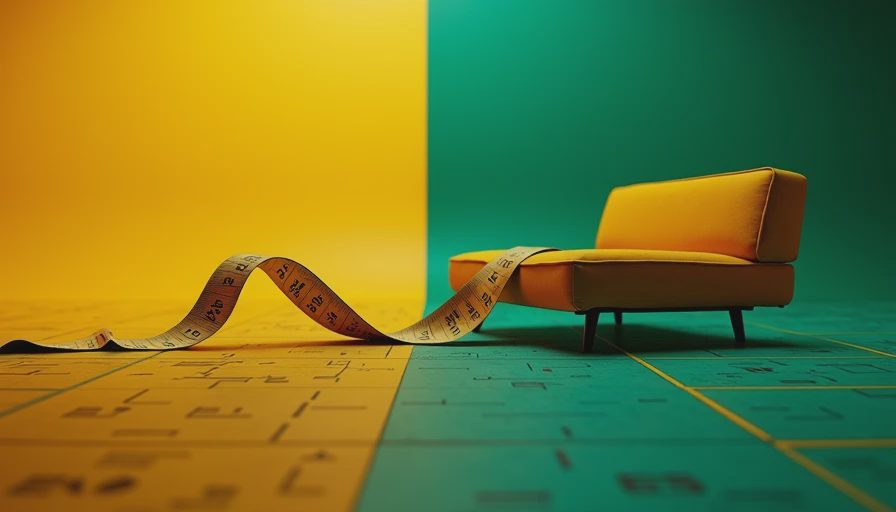
A 120 Inch Couch: What a Furniture Buyer Wants You to Know
So you're thinking about a 120 inch couch. Before you hit checkout, there's a lot to think about that the product photos won't tell you. I've spent the better part of my career in furniture buying, first at Crate & Barrel and then as the senior buyer for living room at Restoration Hardware. I've evaluated tens of thousands of sofas, and a ten-foot couch is a statement piece, but it's also a logistical project. Let me walk you through what matters.
What Does Ten Feet of Seating Actually Mean?
A 120 inch couch is ten feet of seating. For reference, a standard three-seat sofa is usually 72 to 90 inches. At 120 inches, you're looking at a four-to-five seat sofa or a modular sectional. Some are built as a single piece; others come in sections. When most people search for this size, they're picturing a long, low profile sofa for a media room or a great room. But the style can range from a straight-backed mid-century shape to a deep, loungy piece with chaise sections.
It's Not About the Living Room — It's About the Door
Before you fall in love with any specific model, measure your route. A ten-foot couch might fit along your wall, but can you get it into the house? Standard interior doorways are 30 to 36 inches wide, and a ten-foot sofa won't rotate around a corner if the stairwell is tight. I've seen people have to take a brand-new couch through a window with a crane — that's a real cost. Ask about modular options. If a 120 inch couch splits into pieces that fit through a standard doorway, then you're in business. If not, factor in the cost of professional movers or a delivery team that can disassemble and reassemble.
How to Judge Quality at This Length
Because you're buying a lot of sofa, the quality of the frame and springs matters more. Look for kiln-dried hardwood frames, not particleboard. Ask about the foam density — a good core is at least 1.8 pounds per cubic foot. The fabric rub count should be 30,000 double rubs or higher if you have kids or pets. You can also check the suspension: sinuous springs are fine, but if the sofa uses webbing, skip it. And at this length, a center support leg is a must; otherwise the middle will sag within a year. The name on the brand doesn't matter as much as the spec sheet.
Where a Ten-Foot Couch Actually Works
A ten-foot sofa is not for everyone. It works when you have a wall of at least 11 to 12 feet to give the room some breathing room. In a large open-plan living area or a home theater, this is the right scale. It can also work as a giant U-shaped sectional in a basement or a loft. Where it fails is a typical 12-by-14-foot living room with a walkway that needs to stay clear. I'd rather see a 96-inch sofa and a good pair of armchairs than a 120 inch couch that eats the whole floor. But if your room is generous, a long, low couch anchors the space better than anything else.

Styling a Room Around a Long Sofa
Once a ten-foot couch is in place, the room needs balancing. Push the sofa off the wall by a foot or two so traffic can flow behind it. Place a large area rug under the front feet to define the seating zone, and use a coffee table that's at least half the couch's length so it doesn't look lost. For lighting, floor lamps on both ends beat one overhead fixture. And don't line up throw pillows in a row — scatter them so the scale stays casual. In a media room, angle a couple of swivel chairs near the ends instead of adding more seating that crowds the space. The rule is simple: let the sofa be the heavyweight, then give everything around it some breathing room.
What a Ten-Foot Couch Costs in the Real World
Prices for a quality 120 inch couch start around $1,200 from direct-to-consumer brands and go up to $6,000 or more from established names. In the $1,500 to $2,500 range, you can get a decent frame, medium-grade foam, and a fabric that will hold up for a few years. Around $3,000 to $4,500, you're getting denser foam, hardwood frames, and better tailoring. Above that, you're paying for design, name, and sometimes still the same internal guts. My honest advice: set a budget of at least $2,000 if you plan to use this couch daily. Anything cheaper tends to cut corners you feel after year two.
A Ten-Foot Couch Buying Checklist
Use this before you commit:
- Measure all doorways, hallways, and turns along the delivery path.
- Note the ceiling height and any stairwell angles.
- Ask if the couch is modular and if it needs a special delivery crew.
- Confirm the foam density and frame wood in writing.
- Check the return policy for custom-sized or extra-long items.
- Order fabric swatches before you buy.
- Arrange seating around the couch with painter's tape to see how much floor space it eats.
The Bottom Line
A 120 inch couch is an amazing piece when your space matches its size. When it doesn't, it's an expensive mistake. Measure first, buy smart, and always ask for the specs you need. If you choose the right one, a ten-foot couch becomes the center of your home — and the place everyone heads to on movie night.
Keep Reading
How to Choose the Best Mattress for Heavy People
Find the best mattress for heavy people with practical guidance on support, dura...

How to Choose the Best Standing Desk for Your Home Office
Find the best standing desk for your room, budget, and work habits. Compare stab...
How to Choose the Best Mattress for Side Sleepers
Find the best mattress for side sleepers with practical picks, material advice, ...
Owner Letters
0 lettersNo letters yet — be the first to write one.