
How to Choose a Doorbell Camera That Is Worth the Money
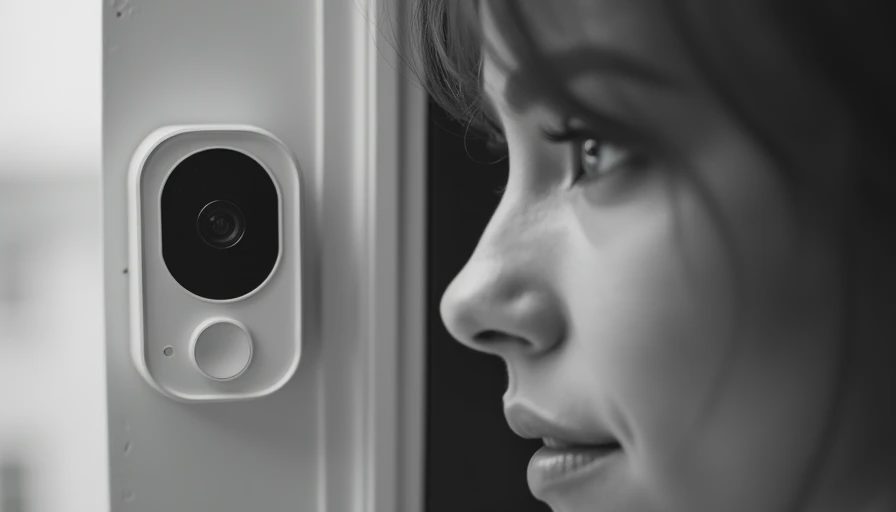
A doorbell camera has become one of those home purchases that looks simple until you compare the details. The familiar shape is easy to recognize, but video quality, mounting, app performance, storage fees, and night vision separate a useful model from an irritating one. I approach these products the way I once evaluated furniture: ignore the glossy pitch, inspect the construction, and figure out what daily use will actually feel like.
Start with the real reason you want one
The best doorbell camera depends on what you need it to do. If you mainly want to see package deliveries, a basic 1080p model with motion alerts is usually enough. If your front porch faces a sidewalk, driveway, or shared hallway, adjustable motion zones become more valuable because they reduce alerts from every passing person or car.
For a front entry exposed to weather, look for an outdoor rating such as IP65 or better, a sealed button, and hardware that does not feel flimsy in your hand. A wedge mount can angle the view toward a walkway, while a corner mount helps when the door sits close to a wall. Those small accessories often matter more than an impressive headline resolution.
Think about the view from standing height, too. A wide lens can show a package on the ground, but excessive fisheye distortion makes faces harder to identify. Before ordering, measure the distance from the door to the likely visitor location. A model that looks sharp at six feet may not give useful detail at the end of a long porch.
Wired or battery: choose based on the house
A wired doorbell camera is usually the better long-term choice when an existing doorbell wire is available. It receives continuous power, avoids battery reminders, and is ready when someone presses the button. Installation can be straightforward, but older homes sometimes have weak transformers or unusual wiring. If the existing chime does not work reliably, allow room in the budget for a compatible transformer or professional installation.
Battery models are more flexible for apartments, rentals, and houses without doorbell wiring. The tradeoff is maintenance. A battery may last several weeks or several months depending on cold weather, motion activity, live-view use, and recording settings. Removing it can be awkward if the mounting plate is high or positioned above a porch roofline.
Some products offer a removable battery plus an optional wired connection. That is a sensible middle ground, especially if you want to install first and deal with wiring later. Do not confuse solar charging accessories with unlimited power; a shaded entry and frequent recordings can still drain the battery.
Video, audio, and recording features that matter
Resolution is only the beginning. A strong doorbell camera should produce usable video in bright sun, deep shade, and low light. High dynamic range helps balance a visitor standing in front of a bright doorway. Infrared night vision is useful, but color night vision often depends on a porch light and can introduce glare.
Two-way audio should have a noticeable delay, not a long pause that makes a conversation feel like a bad conference call. Test whether the microphone picks up voices over traffic, wind, or a barking dog. Package detection can be convenient, but alerts are not perfect. Treat them as a helpful filter rather than proof that a delivery is sitting safely outside.
Local storage is worth considering if you dislike monthly fees. Some models use a memory card or a hub inside the home. Cloud plans from companies such as Ring, Google Nest, Arlo, and Eufy differ in price and features, so compare the total cost over three years rather than the sale price on the box.
Privacy and subscription costs deserve a close look
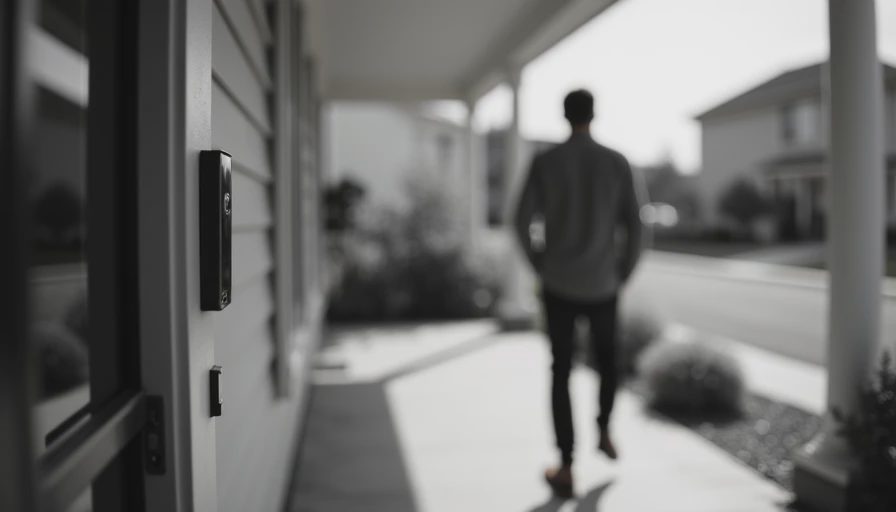
A doorbell camera records the area around your home, which can include neighbors, visitors, and public space. Aim the lens toward your property when possible, use privacy zones to block windows or sidewalks, and create a strong account password with two-factor authentication. Keep firmware updated, especially when the manufacturer releases security patches.
Read the storage policy before buying. Some inexpensive models provide live viewing but require a subscription for recorded clips, person detection, or longer video history. A plan might cost roughly $4 to $15 per month depending on the brand and the number of cameras. That can be reasonable if you need searchable recordings, but it changes the purchase from a one-time expense into an ongoing household bill.
Also check whether multiple household members can use separate accounts. Sharing one password is convenient at first and poor security later. Good controls let you invite a partner or property manager, remove access when needed, and see which devices are connected.
What to spend at three useful price levels
Around $50 to $90, expect basic video, motion alerts, and a simple app. This tier can work well for a small porch with decent lighting, but subscription requirements and limited night detail are common. It is a practical choice for a renter who wants delivery visibility without making a major project of installation.
At roughly $100 to $180, the doorbell camera category gets more comfortable. You are more likely to find better HDR, improved motion zones, stronger app controls, and useful package or person alerts. For most households, this is the value line I would inspect first. The mid-tier model usually delivers the features people use every week without charging for extravagant specifications.
Above $200, you may gain sharper resolution, better integration with an existing smart-home system, or more advanced local storage. Those benefits are worthwhile when you already use Apple Home, Google Home, or Alexa and want one interface. They are not automatically worth paying for if all you need is a clear alert when someone reaches the porch.
My buying checklist before checkout
First, confirm whether the model is wired, battery-powered, or compatible with both. Next, check the field of view and whether the lens can see packages at floor level. Then read the subscription page, not just the product page. Look for the cost of saved clips, the length of video history, and whether basic alerts remain available without payment.
After that, inspect the mounting hardware and included wedge. A solid plate with clearly labeled screws makes installation less frustrating. Confirm Wi-Fi requirements as well; many entry products rely on a 2.4 GHz network, while some newer models perform best with stronger dual-band coverage. If your porch is far from the router, budget for a mesh node before blaming the camera.
Finally, consider the app. A beautiful camera with slow alerts is less useful than a modest one that loads quickly. Search for independent owner feedback about missed notifications, battery life, and customer support. Those practical details tell you more than a polished product photograph.
The sensible way to buy
The smartest doorbell camera purchase is not necessarily the one with the highest resolution or most artificial intelligence. It is the model that suits your wiring, porch geometry, Wi-Fi signal, storage preference, and tolerance for maintenance. For many homes, a wired mid-range unit with clear night footage and a transparent subscription plan is the balanced choice.
Measure first, price the recurring fees, and decide where recorded video will live. If you take those steps, you can avoid the familiar bargain trap: a low upfront price followed by weak alerts, awkward charging, and monthly costs that exceed the hardware. Choose the one that performs the quiet daily jobs reliably, and your front door will feel more manageable without turning the house into a technology project.
Keep Reading
How to Choose the Best Mattress for Heavy People
Find the best mattress for heavy people with practical guidance on support, dura...

How to Choose the Best Standing Desk for Your Home Office
Find the best standing desk for your room, budget, and work habits. Compare stab...

How to Choose the Best Mattress for Side Sleepers
Find the best mattress for side sleepers with practical picks, material advice, ...
Owner Letters
0 lettersNo letters yet — be the first to write one.