
Fabric Material Sofa: How to Choose One That Actually Holds Up

Buying a fabric material sofa is not really about the color on the swatch card. It is about how the piece will look after six months of movie nights, takeout, naps, and someone dropping a backpack on the arm every day. I have sat on enough bad ones to know the difference between a sofa that still looks decent in year five and one that starts pilling, sagging, and staining by month nine.
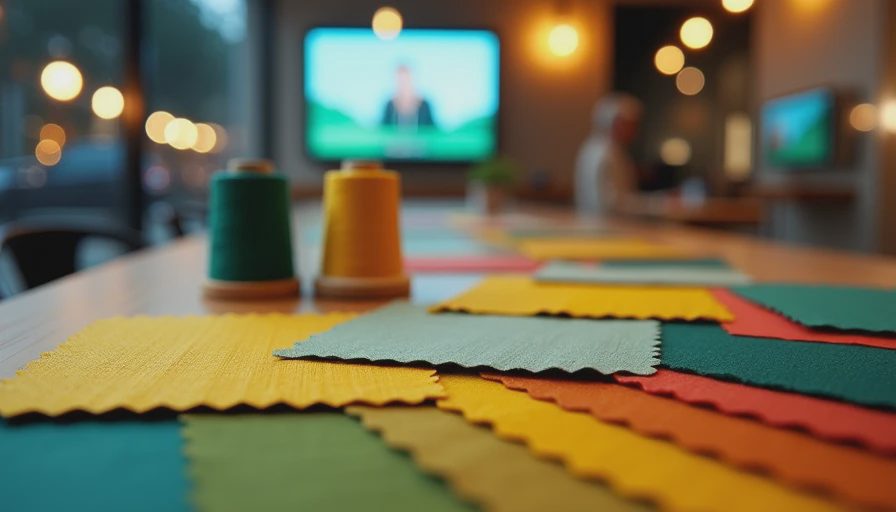
The fastest way to narrow the field is to stop thinking in broad style terms and start reading the fabric the way a buyer would. Fiber content, weave, rub count, and finish matter more than the showroom pillow arrangement. If you want a room that works for real life, a fabric material sofa should be judged on how it wears, how it cleans, and how it feels after you have lived with it for a while.
How to judge a fabric material sofa before you buy
A fabric material sofa should tell you three things right away: what the yarn is made of, how tight the weave is, and whether the fabric has been treated for everyday messes. Polyester and polyester blends usually give you the best mix of price and durability. Nylon adds strength. Olefin does well with moisture and sun. Cotton feels familiar, but it can stain and wear faster unless it is blended or finished well. Linen looks relaxed and handsome, yet it wrinkles and can show body impressions sooner than most people expect.
The number that matters most on the spec sheet is the rub count, sometimes listed as double rubs. Around 15,000 is light-duty. Around 30,000 starts to make sense for a busy family room. Once you get into the 40,000 to 50,000 range, you are usually looking at a fabric that can handle years of use without looking tired too quickly. If a salesperson cannot tell you the rub count, assume the piece is built more for a showroom floor than a real home.
Construction matters too. A strong frame, good suspension, and supportive cushions can make an average-looking sofa feel better than a prettier one with cheap internal parts. That is why I always tell people to sit down, get up, and sit again before they fall in love with the fabric sample.
For a fabric material sofa in a house with pets, kids, or a lot of guests, the winning move is usually a tighter weave in a medium tone. Very pale fabrics look great on day one and unforgiving on day 90. Very dark fabrics can show lint, dust, and pet hair like a spotlight. Mid-tones hide more and give you the longest runway.
Which fabrics actually work in busy rooms
For a busy living room, I usually start with performance polyester or a performance blend because it gives you the least drama for the money. Spills sit on the surface longer, vacuuming is easier, and the fabric tends to wear more evenly than natural fibers in the same price range. Microfiber is another practical option if you want something soft, family-friendly, and easy to maintain. It is not flashy, but it is often the smartest buy under pressure.
Chenille can feel inviting, but check the weave closely. Some versions crush and mark quickly, which is fine in a formal sitting room and annoying in a room where everyone actually sits. Velvet has improved a lot, especially in synthetic versions, but it still needs more attention than a flat weave. Linen blends are a good compromise if you want a cleaner, more tailored look without taking the full hit of pure linen.
A fabric material sofa in a sunny room needs one more filter: fade resistance. Look for solution-dyed synthetics or fabrics that are specifically rated for UV exposure. If the sofa will sit by a big window, that one detail can save you from an expensive color mismatch a year later.
What the frame and cushions change
People get distracted by the fabric and forget that the inside decides whether the sofa still feels good after dinner, a laptop session, and one too many weekend naps. Kiln-dried hardwood frames are still the standard I want to see in a long-lasting sofa. Plywood can be fine if it is well built and reinforced, but thin mixed materials are where wobble and squeak start creeping in.
Cushion fill changes the whole personality of the piece. High-resilience foam gives you shape and support, while a down-blend topper gives you a softer sit and a more relaxed look. If you want a sofa that keeps its form, look for denser seat foam and ask whether the cushions are reversible. Reversible cushions usually buy you more even wear and a little more life before the middle starts to flatten.
The suspension matters too. Eight-way hand-tied is excellent but not necessary for most buyers. Good sinuous springs or well-spaced webbing can still deliver a comfortable seat at a fair price if the rest of the build is solid. This is where you should spend your time during the test sit, because a pretty cover cannot fix a weak foundation.
How to shop by budget without buying twice
At the entry level, you are usually trying to avoid the obvious shortcuts: weak frames, thin cushions, and fabric that looks good in photos but not in person. In the mid-range, you start seeing better blends, stronger suspension, and cleaner tailoring. That is where a lot of buyers get the best value, because the sofa feels more expensive than it is without pushing into luxury pricing.
The smartest fabric material sofa purchase is usually the one that spends money where your eye and body notice it most. If you live in the room every day, spend more on the frame and seat comfort before you chase a trendy weave. If the room is mostly for guests, you can lean harder into style and a slightly more delicate finish. Either way, ask how the sofa is cleaned. Removable covers are a huge advantage if you have children, pets, or a habit of eating on the couch.
A good showroom test is simple. Sit in the corner, sit in the center, stand up, and check the seat depth. Then press on the arms and back to see whether they feel hollow or sturdy. If the cushions spring back nicely and the fabric does not look stretched the second you stand up, you are probably looking at a better-built piece.
Care habits that keep the sofa looking new
Cleaning is not glamorous, but it is the cheapest way to extend the life of the sofa you already paid for. Vacuum weekly with an upholstery attachment so grit does not grind into the fibers. Rotate loose cushions so the same person is not destroying the same spot every night. Blot spills quickly instead of rubbing them in, and test any cleaner on a hidden spot before you go at the stain full force.
Most fabric does not like too much moisture. A soaked cushion can hold odor and break down the fill inside. Steam is not a magic fix either unless the manufacturer says it is safe. For spot cleaning, mild soap and water is often enough for small messes, but the right cleaning method depends on the specific fiber and finish.
If you want the easiest path, buy the sofa with maintenance in mind from the start. A fabric material sofa that fits your household habits will beat a prettier one that makes you nervous every time someone sits down with a drink. That is the buyer’s answer, and it holds up in real homes.
If you are narrowing options now, start with the fabric material sofa that matches your room, your traffic, and your tolerance for upkeep, then let the construction details decide the rest.
Keep Reading
How to Choose the Best Mattress for Heavy People
Find the best mattress for heavy people with practical guidance on support, dura...

How to Choose the Best Standing Desk for Your Home Office
Find the best standing desk for your room, budget, and work habits. Compare stab...
How to Choose the Best Mattress for Side Sleepers
Find the best mattress for side sleepers with practical picks, material advice, ...
Owner Letters
0 lettersNo letters yet — be the first to write one.