
Full Grain Leather Sofa: What I’d Buy, What I’d Skip
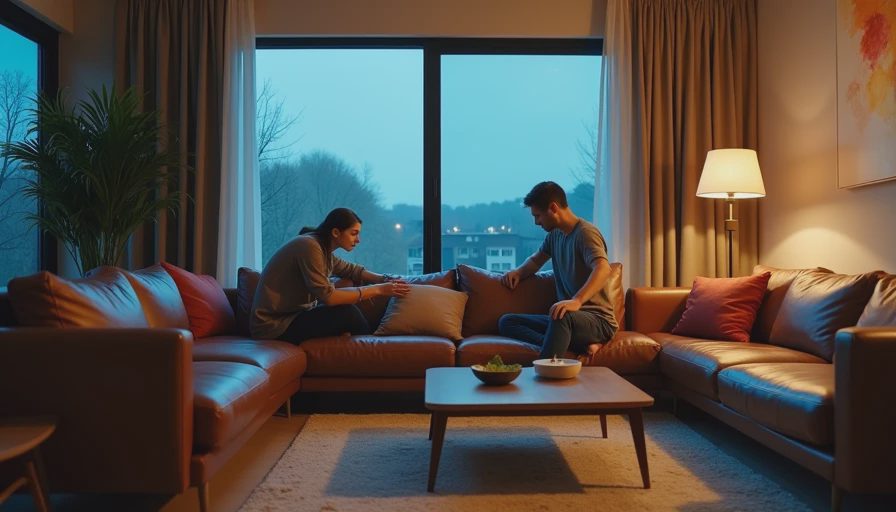
A full grain leather sofa is the kind of piece people buy once and live with for a decade. The catch is that the leather label only tells part of the story. I look at the frame, the cushion fill, the suspension, and the finish before I care much about the marketing. If those pieces are weak, even good leather will wear badly. If those pieces are solid, the sofa breaks in beautifully and starts to look better after a few years instead of worse. I have sat in enough showroom samples to know that something can look expensive and still be a bad buy.
What full grain really tells you
A full grain leather sofa starts with the outermost layer of the hide, which means the natural grain stays intact. That is why you see small marks, color variation, and the kind of surface that gets better with use instead of looking printed on. In a good hide, those little scars and lines are not defects; they are proof that the material was not sanded into a blank canvas. It is not a guarantee of softness, though. Some hides are finished with more pigment, which makes them easier to live with but less rich in feel. If you want a sofa that can handle kids, dogs, and denim without feeling fragile, that is the tradeoff to understand. A good one should look like leather, not coated plastic.
The build under the leather
When I evaluate a full grain leather sofa, the frame is where the real money should go. Kiln-dried hardwood is still the standard I want to see, along with proper corner blocking, glued joints, and a suspension that does not feel like a trampoline. Eight-way hand-tied is fine, sinuous springs can also be strong if they are thick and well spaced. I also want the frame to feel stiff when you lift one end or push on the arms. If it flexes, the sofa will talk back to you later. The seat cushions matter just as much: high-resilience foam wrapped in a fiber or down blend usually outlasts loose polyfill, which tends to flatten and get sloppy. If the sofa is deep, make sure the back pillows are tall enough to support a real sitting posture, not just a photo. Great leather on a weak box is still a weak sofa.
How to read the hide in a showroom
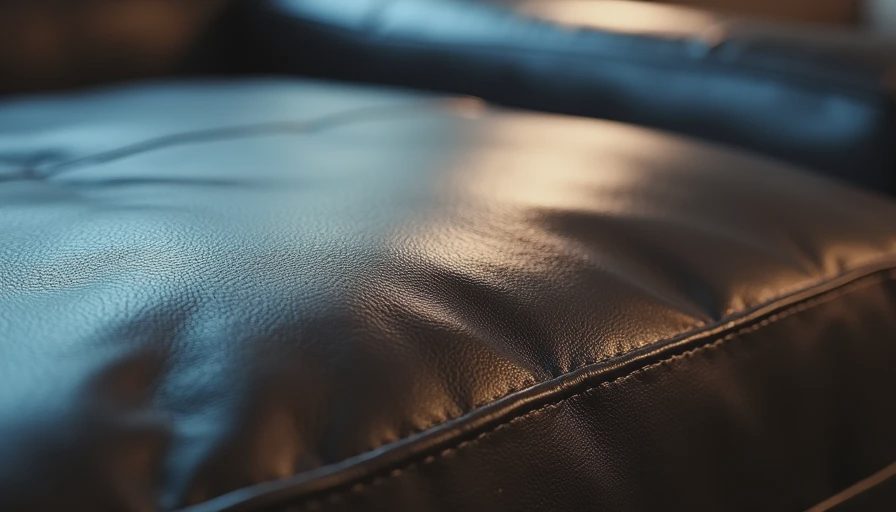
A full grain leather sofa should not look perfectly uniform. A little variation in tone is normal; a printed, glossy, one-color surface is often a sign that the hide has been heavily corrected or finished to death. Run your hand across the arms and front rail. Real leather feels warm and slightly textured, not slick like vinyl. Check the seams too. Tight, even stitching tells you more about the maker than the salesperson's pitch. Lift the cushions if you can and look at the deck underneath; sloppy webbing or cheap fabric there usually means the maker spent the budget in the wrong place. If the cushions look like they are already starting to collapse on the floor model, walk away. I have seen plenty of sofas where the leather was decent but the tailoring and cushion shapes made the whole piece feel tired before it left the store.
Price bands that make sense
The price math on a full grain leather sofa is simple: cheap usually means shortcuts, mid-tier often hits the sweet spot, and expensive does not guarantee comfort. In the lower range, you often get thinner hides, softer frames, or cushions that age fast. In the middle range, you can usually get better suspension, cleaner tailoring, and a finish that will hold up in an everyday living room. That is where I see the best value for most homes. As a rough rule, once you get into the few-thousand-dollar range, you should expect real leather all around, a sound frame, and cushions that do not feel like throwaway inserts. If you are comparing two sofas and one is noticeably more expensive, ask what you are actually paying for: the frame, the cushion core, or just a louder story. The right upgrade is the one you feel every night, not the one that looks best on a product page.
Care that keeps the color honest
Once the sofa is home, keep the care simple. Dust it with a dry cloth, wipe spills with a barely damp one, and keep it out of harsh direct sun if you can. Heat vents and fireplaces can dry out the surface faster than most people expect. I do not love heavy silicone sprays because they can change the feel of the hide and leave the surface weirdly shiny. A proper leather conditioner once or twice a year is enough for most living rooms, and even that should start with a test spot on the back or underside. Rotate cushions if the sofa gets uneven use so one side does not sink faster than the other. The goal is not to make it look new forever. The goal is to let it age with a little grace instead of turning dull, cracked, or sticky.
The five-minute showroom test I use
The five-minute showroom test I use is simple. Sit all the way back. Put your feet up. Shift from one cushion to the next and notice whether the seat edge supports you or folds under. Look at the arms after a few minutes; if they already feel too hard or too thin, they will get old fast in a real home. Then stand up and look at the seat platform. A well-made sofa springs back cleanly, with no deep wrinkle left behind. If you are still shopping, take photos of the tag, the warranty, and the care instructions so you can compare them later without the sales noise. I also like to check delivery terms and return windows before I get attached to a color. That is usually how the right piece reveals itself.
Keep Reading
How to Choose the Best Mattress for Heavy People
Find the best mattress for heavy people with practical guidance on support, dura...

How to Choose the Best Standing Desk for Your Home Office
Find the best standing desk for your room, budget, and work habits. Compare stab...
How to Choose the Best Mattress for Side Sleepers
Find the best mattress for side sleepers with practical picks, material advice, ...
Owner Letters
0 lettersNo letters yet — be the first to write one.