
Is veneer real wood? A furniture buyer's honest answer
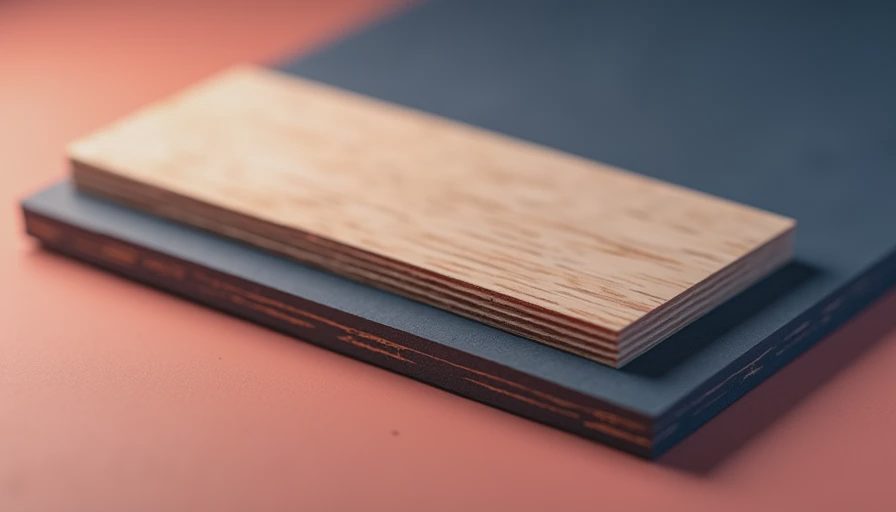
If you've ever stood in a showroom and wondered is veneer real wood, here's the plain answer: yes, but not in the same way solid wood is. Veneer is a thin layer of real wood applied over a stable core, usually plywood or engineered board. That matters because the label alone tells you almost nothing about how the piece will wear. I care more about the core, the edge finish, and whether the grain was matched well than about whether the sales tag shouts solid or veneer. A good veneer dresser can outlast a sloppy solid wood one, and a bad veneer top will show its seams fast.
Is veneer real wood? Start with the layer, not the label
Think of veneer as the face of the furniture. The visible surface is genuine wood, sliced thin and bonded to a substrate. The core might be plywood, MDF, or particleboard, and that core is what gives the piece its shape and strength. In daily use, that can be a good thing. A long dining top made this way is less likely to cup or twist than a thick slab of wood in a dry winter and humid summer. That is why you see veneer on a lot of nicer case goods, especially when the maker wants a clean, wide grain pattern that would be hard or expensive to get from a single board.
Why good makers use veneer in the first place
Veneer lets a manufacturer use attractive species without wasting a whole tree on every drawer front. It also helps keep weight down, which matters when a dresser has to move up stairs or a buffet needs to sit level on an older floor. More important, it can improve consistency. Solid walnut has character, but the grain can shift from board to board. Veneer makes it possible to keep a matching set of doors or a long cabinet front looking intentional instead of busy. The trick is that the savings should go into better construction, not just a lower sticker price. You want solid joinery, smooth drawer runners, and an edge that is finished all the way around, not a thin skin hiding a cheap box.
How to spot the difference between a smart veneer piece and a cheap one
Look at the edges first. If you can see the top layer wrap cleanly over the side without a jagged seam, that's a good sign. Open a drawer and check whether the inside looks as carefully finished as the outside. On a better piece, the drawer box will feel tight, the slides will move without grinding, and the back panel won't flap like cardboard. Tap the top with your knuckle. A hollow sound does not automatically mean trouble, but if the whole piece feels light for its size, the core may be flimsy. I also pay attention to stain matching. Good veneer usually gives you a flatter, more even color. Bad veneer looks too perfect on top and too cheap everywhere else.
When is veneer real wood the better buy?
Most of the time, it's the right call for large surfaces like dining tables, credenzas, and wall units. Solid wood at those widths can move more with humidity, and that movement can telegraph as gaps or a slightly wavy top. Veneer over a stable core often stays flatter. It also lets a buyer spend on the parts you touch every day: the drawer glides, the hinges, the joinery, the finish. If you are furnishing a first home or a rental, this is usually where veneer punches above its weight. A well-built table in the $700 to $1,500 range can be a better everyday buy than a heavier-looking solid piece that spends the same money on wood but skimped elsewhere.
Where I would still choose solid wood
If the piece is going to take punishment, solid wood still earns its keep. A kitchen stool, a butcher-block work surface, or a rustic bench sees more abuse than a bedroom dresser. I also lean solid when the furniture has to be refinished later and the owner wants that option. Veneer can be repaired, but once it is badly chipped or peeled, the fix is limited. That said, plenty of people overpay for solid wood in places where it offers no real advantage. A nightstand, media cabinet, or office credenza does not need to be carved from a single board to be worth buying. The better question is whether the piece is stable, serviceable, and built with enough margin to survive normal life.

Care, cleaning, and the small habits that make veneer last
Treat the surface like finished wood, not plastic. Use coasters. Keep hot mugs and wet planters off the top. Wipe spills quickly with a soft cloth and a little mild soap if needed. Avoid soaking the seams or dragging a rough lamp base across the finish. Sunlight matters too; long exposure can fade the top faster than the side panels, especially on lighter stains. If a piece sits near a window, rotate objects on it now and then so the color ages more evenly. I tell buyers to inspect the corners every few months. If an edge starts lifting early, the problem is usually in the build, not the care routine. Buy the better-made piece once, and you will not spend years apologizing for it.
If you are standing in a store comparing two similar pieces, I would look at the core, the edges, and the hardware before I looked at the label. That is usually where the real difference lives, and it is how you separate a smart buy from something that only sounds expensive.
Keep Reading

How to Choose the Best Mattress for Heavy People
Find the best mattress for heavy people with practical guidance on support, dura...

How to Choose the Best Standing Desk for Your Home Office
Find the best standing desk for your room, budget, and work habits. Compare stab...
How to Choose the Best Mattress for Side Sleepers
Find the best mattress for side sleepers with practical picks, material advice, ...
Owner Letters
0 lettersNo letters yet — be the first to write one.