
How to Pick a Leather Sofa That Still Looks Great in 10 Years
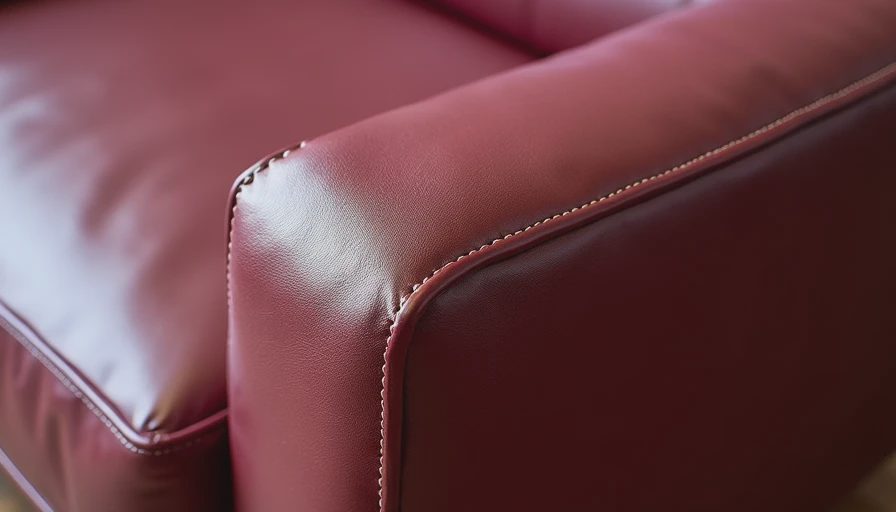
A leather sofa is the one piece of furniture that either gets better with age or embarrasses you every time someone sits down. I have spent 15 years buying furniture for a living, and I have seen both versions. You do not need to spend four figures to get a good one, but you do need to know what you are looking at before you swipe that credit card. Here is the short version: leather grade, frame construction, and how the cushions are made matter far more than the brand name stamped on the bottom.
What most people get wrong about leather sofas
The biggest mistake is assuming anything called "leather" is actually a solid sheet of animal hide. In the furniture industry, the word "leather" covers everything from full-grain aniline hides to "bonded leather" — a thin layer of ground-up leather fibers glued to a polyester backing. If you see the words "bonded" or "bi-cast" in the product description, you are not getting what you think. That coating peels in a few years, and there is no way to fix it.
Genuine leather is the trade term for the lowest grade of real hide, usually split and sanded smooth after the top grain is removed. It is better than bonded leather, but it still gets a plastic finish to look like a premium hide. The top two grades — full grain and top grain — are the ones that develop that rich patina over time. Full grain keeps the natural surface and marks; top grain has the rough top sanded down for a more uniform look. Both are perfectly good for a living room. The difference comes down to how much character you want.
How to judge a leather sofa before you buy
When I look at a leather sofa on a showroom floor, I skip the tags and go straight to the frame. Lift one corner. If it feels heavy and does not twist, the frame is likely hardwood. If it creaks, run. Look for "kiln-dried hardwood" in the spec sheet, not "manufactured wood" or "particleboard." Nine-tenths of a sofa's lifespan comes from what you cannot see: the springs, the webbing, and the cushion core.
For cushions, ask what is inside. A good leather sofa will have a foam core wrapped in down or a high-density foam with a firmness you can feel. The cheapest sets use a single slab of low-density foam that looks fine in the store and sags into a crater within two years. Also check the stitching. Straight, even seams with no loose threads tell you the hide was handled carefully. Crooked seams mean corners were cut.
How much should you pay for a leather sofa?
Realistic pricing starts around $1,200 for a solid 3-seat sofa with a hardwood frame and top-grain leather. Above $2,800 you are paying for better hides, hand-tied springs, and details like leather-wrapped arms and brass tacks. Between $500 and $900, you are in the danger zone. That is where the seductive low price hides a particleboard frame, a bonded leather surface, and a cheap foam core. A $799 sofa sold as leather from a warehouse club might look like a steal, but I have seen too many of them develop peeling corners within 18 months.
The mid-range sweet spot is $1,500 to $2,200. Brands in that band usually combine a kiln-dried hardwood frame with top-grain leather and a decent spring system. That is the leather sofa I would put in my own living room. If you can stretch to $2,500, you get the kind of piece that becomes the family heirloom — the one someone fights over when you move.
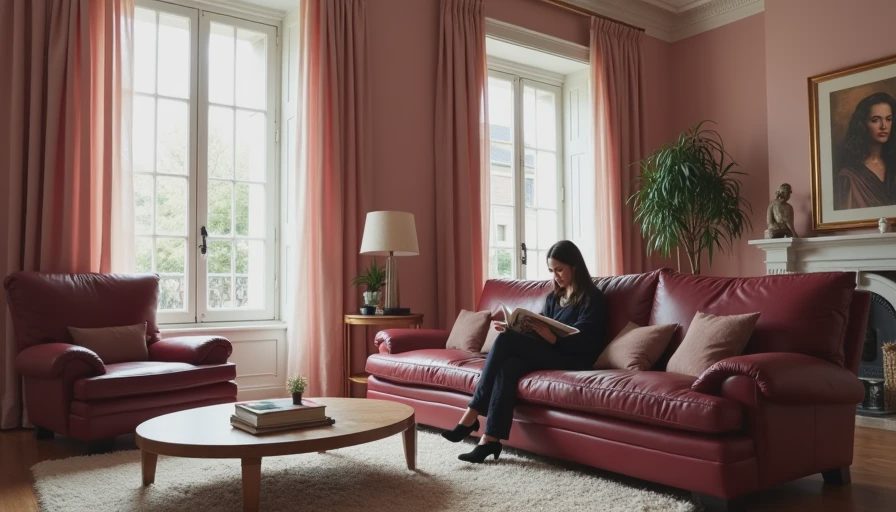
One more thing: always ask about the leather hide's origin and the warranty. A good leather sofa usually comes with a warranty that covers the frame for at least five years and the leather for two. If the store offers less, that tells you how much faith they have in the piece. I have seen $3,000 sofas with a one-year warranty and $1,400 sofas with a lifetime frame warranty. The warranty is often a better honesty test than the salesman's smile.
The one time a cheap leather sofa makes sense
There is a single situation where a budget leather piece is a smart buy: a basement rec room, a rental, or a college apartment where it is going to take abuse. In that case, buy a bonded leather piece on sale and plan to replace it in five years. Just do not call it an investment. Know that you are paying for looks, not longevity. When I see a $600 leather option next to a $1,600 one, my advice is always the same: skip the cheap one if you care about the way your living room looks in year three.
A smart compromise? Look for a leather-and-fabric combo. Some makers use leather on the seat and arms, then fabric on the back and sides, which saves hundreds of dollars while keeping the feel of leather where it matters. That hybrid can be the best value in the whole store if you are honest about how you live.
That is it. You now know more about leather sofas than most salespeople. Go sit on something, lift the corner, check the spec sheet, and only buy when your gut says yes. When you do, you will get a leather piece that still makes you smile a decade from now.
Keep Reading
How to Choose the Best Mattress for Heavy People
Find the best mattress for heavy people with practical guidance on support, dura...

How to Choose the Best Standing Desk for Your Home Office
Find the best standing desk for your room, budget, and work habits. Compare stab...
How to Choose the Best Mattress for Side Sleepers
Find the best mattress for side sleepers with practical picks, material advice, ...
Owner Letters
0 lettersNo letters yet — be the first to write one.