
Living Room Furniture That Fits Real Homes and Real Budgets
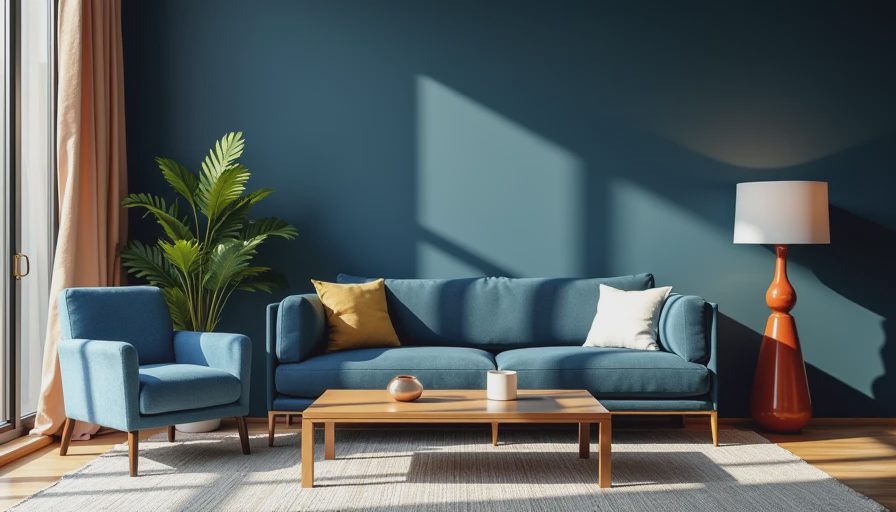
Living room furniture is where most people overspend on the wrong things. They chase a pretty chair before measuring the sofa space, or buy a matching set that looks finished online and stiff in the room. When I was buying for showrooms, the pieces that sold again and again had the same traits: good scale, honest construction, and a finish that could survive a pizza night, a dog, and a winter blanket pile. You do not need the fanciest option. You need the right one for the room you actually live in.
How to shop living room furniture by room shape
The first rule is simple: draw the room before you shop. A three-seat sofa usually needs about 84 to 96 inches of wall or floating space, and you want roughly 30 to 36 inches for walkways where people move through. If the room is narrow, skip the oversized sectional and choose a sofa with two chairs or one chair and an ottoman. Good living room furniture starts with traffic flow because a room that is awkward to cross will never feel finished. Measure doors, halls, and stair turns too. I have seen beautiful sofas fail at the front door, and once that happens the rest of the plan is just wishful thinking.
If the TV sits across from the main seating, check eye level and glare before you buy. If the room is mostly for conversation, a pair of chairs facing the sofa often works better than cramming in a giant sectional. The best layout is the one that lets people sit down without moving three accessories first.
Build around one anchor piece, not a matching set
The sofa sets the tone, but the other pieces do the actual work. A coffee table should leave about 14 to 18 inches between the seat edge and the table, and it should be low enough that you can reach a drink without hunching. Side tables matter more than people think, because they give the room landing spots for lamps, remotes, and the book that never stays on the shelf. If you need storage, a media console or a closed cabinet beats open shelving in most real homes because it hides cords, chargers, and all the little objects that make a room look busy.
This is also where materials start to matter. Solid oak, walnut veneer over a stable core, and well-finished plywood can hold up well. Cheap particleboard with flimsy edge banding usually gives itself away the first time a drawer sticks or a leg loosens. The room feels calmer when the pieces share a visual weight, not when every item comes from the same catalog page.
Where to spend on living room furniture and where to save
If the budget is tight, put more money into the seat you use every day and less into occasional pieces. A decent sofa often lives in the $900 to $1,800 range for mainstream retail, with better fabric, stronger frames, and cushions that keep shape longer than the cheapest options. Accent chairs can be cheaper if they are for looks first and naps second. Coffee tables, side tables, and media pieces can be found at lower price points if the joinery is honest and the finish is durable.
On living room furniture, I look for a clear middle lane. IKEA is still the budget baseline for many shoppers, while Article, West Elm, and similar brands often sit in the style-forward middle. Room & Board usually leans more toward sturdier construction and cleaner detailing at a higher mid-market level. None of that means every piece is a winner or a miss; it just tells you where to focus your inspection.

The materials and construction details that matter
If a piece of living room furniture is built well, you can usually feel it before you know the spec sheet. A sofa with a kiln-dried hardwood frame and eight-way hand-tied springs costs more to build, but a good sinuous spring system with reinforced joints can still be a strong buy. The cushion fill matters too. High-resilience foam wrapped in a fiber layer gives a cleaner shape. Down blend feels softer, but it needs more fluffing and usually looks best on deeper, more relaxed seats.
For upholstery, performance fabrics have gotten much better. Polyester blends, solution-dyed acrylics, and textured weaves can handle spills and daily wear better than delicate textiles. If you have kids, pets, or just a habit of eating on the couch, a removable cushion cover can be worth more than a fancy finish. Look at the underside too. If the dust cover hangs loose, the legs wobble, or the drawer bottoms flex, the rest of the marketing does not matter.
A simple room plan that avoids the usual mistakes
Start with one large piece, then add the second and third only when the scale feels right. In a smaller apartment, that might mean a compact sofa, one club chair, a round coffee table, and a slim console behind the sofa. In a larger house, you can separate the room into a conversation zone and a reading corner, but the pieces still need breathing room. A rug that is too small makes everything feel accidental, so aim for front legs on the rug at minimum, and larger if the budget allows.
The most common mistakes are easy to spot: buying every piece at once, matching everything too closely, and choosing a sofa by color before sitting on it. A room looks more expensive when the shapes are varied and the proportions are clean. Even a modest budget can produce a good result if the frame is solid, the fabric is practical, and the layout respects how people actually move.
If you want the fastest path, shop the sofa first, then the rug, then the lighting. That order keeps the room grounded and prevents you from overbuying small stuff before the scale is right. A good plan lets the room work on weekday evenings, game nights, and the random Saturday when everybody ends up on the couch.
Keep Reading
How to Choose the Best Mattress for Heavy People
Find the best mattress for heavy people with practical guidance on support, dura...

How to Choose the Best Standing Desk for Your Home Office
Find the best standing desk for your room, budget, and work habits. Compare stab...
How to Choose the Best Mattress for Side Sleepers
Find the best mattress for side sleepers with practical picks, material advice, ...
Owner Letters
0 lettersNo letters yet — be the first to write one.