
Modular Sofa Buying Guide: What a Former Furniture Buyer Would Tell You
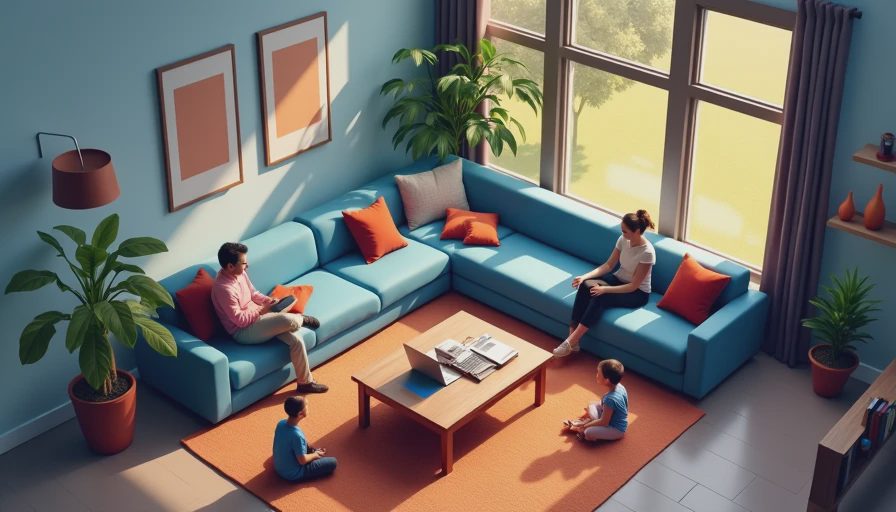
After fifteen years in furniture buying, I've sat in thousands of sofas. The modular sofa is the one category I get asked about more than almost anything else, and for good reason: modulars offer flexibility you can't get from a fixed frame. But not every modular sofa deserves your floor space. I've opened enough spec sheets to know which ones last. If you've spent whole weekends scrolling furniture sites, you already know the modular space is crowded. This guide cuts through that noise. Here's what to check, what to skip, and when modular is the smartest purchase you'll make this year.
What a Modular Actually Is (and Isn't)
A modular sofa is a sectional made of separate pieces — armless chairs, corner seats, ottomans, and chaise units — that clip, hook, or bracket together. Unlike an all-in-one sectional, you can change the shape whenever you want. Need a 3-seat couch for game day? Use two armless units and a corner. Want a lounger for movie night? Swap the chaise to the other side. That flexibility is why most people shop for a modular sofa in the first place.
But flexibility only matters if the system holds together. On cheap models, plastic connectors snap within a year. On better ones, steel brackets lock so tight you can't feel a gap. Before you buy, flip the sofa over and check how sections join. That move tells you more than any marketing photo.
The Three Things I Check Before Recommending Any Modular
Frame. Look for kiln-dried hardwood — poplar, oak, or maple. If a modular has a particleboard or pine frame, it can twist when you move it. I once saw a $1,200 modular come apart a week after a customer moved it across town. The wood should feel solid, not soft enough to dent with a fingernail.
Foam. Seat cushions need high-resiliency polyurethane foam at 2.0 lb density or higher. Anything less feels fine in the showroom but turns into a marshmallow within 18 months. If a salesperson won't give you a number, walk away.
Fabric. Daily use means a Martindale rub count of at least 30,000. Performance fabrics like olefin, polyester, or Crypton handle kids and pets far better than cotton. Many mid-priced modulars from Article and West Elm let you order swatches first. Do that — never guess fabric from a screen.
Prices: Where the Value Really Is
The biggest mistake is shopping by price alone. A $499 modular from a big-box site might look great online, but it's built with plastic connectors, low-density foam, and fabric that pills fast. The sweet spot for most rooms is a modular sofa in the $1,200 to $2,200 range. At that price you get a kiln-dried frame, decent connectors, and 2.0+ lb foam. IKEA's SÖDERHAMN sits at the lower end, especially if you reinforce the clips with furniture bolts. Burrow builds solid modulars in the middle, with zip-off covers. West Elm runs higher but uses thicker cushions. For truly sturdy joinery, Crate & Barrel or Room & Board push toward $2,500 to $4,000.
How It Holds Up in Real Homes
I finally put a modular sofa in my own house the day I needed to change the couch's shape for a kid's birthday party. We moved the lounge section, rearranged three pieces, and pushed one unit against the wall — all in ten minutes. Try that with a traditional sectional.
Modulars also travel better. They separate into boxes that fit narrow stairwells and elevators. And if one section gets stained, you replace only that section, not the whole couch. That's why a better-built modular can outlast a standard couch by five to ten years. Even in a large house, being able to split the sofa into a movie setup and a reading nook is a feature you'll use far more than you expect.

How to Shop for a Modular in 6 Steps
Measure every doorway, stairwell, and elevator before ordering. A modular still has to arrive through your front door.
Order fabric swatches. See the color in your room's light.
Sit in it. Test seat depth, back height, and cushion firmness.
Lift a corner. If the frame flexes or sections show a gap, move on.
Ask about replacement parts. Can you buy one section later?
Check the lead time and return policy. Some modulars take 10-12 weeks to arrive.
FAQ: Quick Answers Before You Buy
Can you turn a modular sofa into a bed? A few chaises flip into sleepers, but true modular sleepers are rare. If guests matter, buy a separate sleeper section.
How long should a good modular last? With a kiln-dried frame and 2.0+ foam, 10 to 15 years is realistic. The connectors are the weak point — choose steel over plastic. If the manufacturer sells replacement clips, buy a spare set while the sofa is still in production.
Is it worth it if I rarely move? Yes. You're paying for the ability to change your room whenever the mood strikes. If you ever move, it comes apart and rides along.
When you find a modular that passes the frame, foam, and fabric checks, you're not just buying a couch. You're buying a system that adapts to your life. That's a purchase I can stand behind.
Keep Reading
How to Choose the Best Mattress for Heavy People
Find the best mattress for heavy people with practical guidance on support, dura...

How to Choose the Best Standing Desk for Your Home Office
Find the best standing desk for your room, budget, and work habits. Compare stab...
How to Choose the Best Mattress for Side Sleepers
Find the best mattress for side sleepers with practical picks, material advice, ...
Owner Letters
0 lettersNo letters yet — be the first to write one.