
Sofa with Chaise: How to Choose One That Actually Works

A sofa with chaise can be the most useful piece in a living room or the fastest way to make the space feel cramped. The difference comes down to proportion, construction, and how your household actually sits. After years of evaluating upholstery for major furniture retailers and trade buyers, I look at these pieces less like a shopper scrolling photos and more like a person checking a purchase order. The right choice should be comfortable on a Tuesday night, durable enough for real life, and sized for the room you have.
Start with the room, not the photograph
Before comparing fabrics or browsing colors, measure the room. A sofa with chaise often takes up 100 to 125 inches of wall and floor space, while compact apartment versions can be closer to 85 inches. Measure the full width, the chaise depth, and the walking path around it. A chaise that extends 65 inches into the room can easily block a coffee table, balcony door, or main route to the kitchen.
Use painter's tape to mark the outside dimensions on the floor. This simple test is more reliable than judging a product photo, where wide-angle lenses make furniture look smaller. Leave about 30 to 36 inches for a comfortable walkway and at least 16 to 18 inches between the sofa edge and coffee table. Also measure stairwells, elevators, door openings, and tight hallway turns. A perfect sofa that cannot get past the front door is an expensive mistake.
Decide whether the chaise should sit on the left or right when you face the sofa. Some modular designs let you switch sides, but many do not. Reversible chaise cushions are helpful in rentals or rooms that may change later, though the frame still determines the available configuration.
Cushion comfort is a construction decision
The most attractive sofa with chaise in a showroom can become uncomfortable if the cushion construction is wrong for you. Foam cushions feel supportive and hold their shape, but very firm foam can feel more like a bench than a place to relax. Feather-and-fiber blends feel softer and more relaxed, but they need regular fluffing and can develop casual-looking depressions.
For a practical middle ground, look for high-resilience foam wrapped in fiber or down-alternative material. Ask for the foam density if the retailer provides it; around 1.8 to 2.5 pounds per cubic foot is a useful quality range for seat foam, although the exact comfort depends on the design. Avoid vague descriptions such as “premium comfort” when there is no information about the cushion core.
Pay attention to the chaise cushion itself. A long single cushion looks clean but can be awkward to rotate and harder to replace. Two cushions are easier to manage, though the seam may be noticeable when someone lies down. Sit in the corner where the sofa and chaise meet. That area often reveals whether the support is properly engineered or simply softened with extra padding.
Check the frame and suspension
A solid hardwood frame is not automatically superior, and engineered wood is not automatically a warning sign. What matters is how the frame is assembled. Kiln-dried hardwood rails with reinforced corner blocks and screwed or glued joints generally offer dependable everyday performance. A frame made from mixed materials can also work well when the load-bearing areas are properly supported.
Lift the front corner slightly, if the showroom allows it. Excessive twisting suggests a flexible frame, while a solid piece should move as one unit. Listen for squeaks when you sit down and shift your weight. A small showroom noise can become an irritating daily soundtrack after a year of use.
Suspension deserves equal attention. Eight-way hand-tied springs are not necessary for every budget, particularly on a modern sectional. Sinuous springs can provide good support when they are thick, closely spaced, and securely attached. Webbing systems can be comfortable, but inexpensive webbing may stretch sooner. Ask what sits beneath the cushion instead of relying on a product label.
Fabric choices for real households
Performance fabric is useful, but the term covers a wide range of quality. For a busy home, look for a tightly woven polyester, acrylic blend, or treated performance textile with a texture that does not invite snagging. Boucle and loose chenille can be beautiful, but their loops and soft surface deserve extra caution around pets, rough clothing, and children.
A sofa with chaise in pale cream may look calm online but demand frequent spot cleaning in a home where people eat, nap, and wear outdoor clothes indoors. Medium-value shades such as oatmeal, warm gray, olive, or muted blue tend to hide small marks better. That does not mean dark fabric is automatically practical; some dark textiles show lint, dust, and water rings more clearly.
Ask whether the covers are removable and machine washable. Removable covers are valuable, but they are not magic. Some shrink, wrinkle, or are difficult to reinstall. Before buying, check the cleaning code, warranty exclusions, and whether replacement covers or cushions can be ordered. A manufacturer that supports replacement parts is usually making a more useful long-term promise than one offering only a long warranty headline.
Compare prices by what you are getting
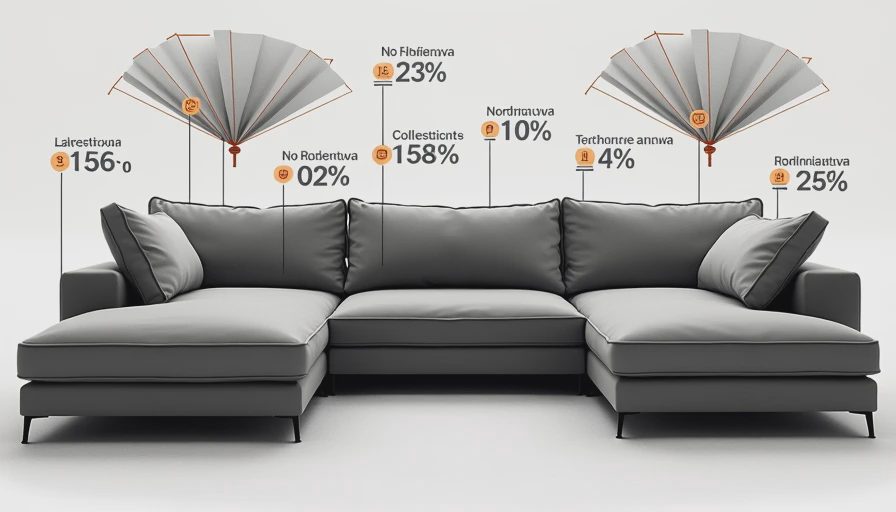
At roughly $800 to $1,500, you can find a sofa with chaise with a respectable silhouette, but expect compromises in fabric options, cushion refinement, or delivery service. Around $1,500 to $3,000, the selection usually improves: stronger suspension, better upholstery choices, more consistent cushioning, and frames designed for heavier use. Above that range, you are often paying for upgraded leather, custom dimensions, specialized tailoring, or a higher level of finish rather than a completely different sitting experience.
The mid-tier option is frequently the smart buy. A $2,000 sectional with replaceable cushions and a durable woven fabric can serve a household better than a $4,500 piece with delicate upholstery and fixed foam. Conversely, a cheap sofa with a deep discount is not a bargain if the chaise sags, the cushions cannot be replaced, and the delivery company leaves it at the curb.
Read the fine print on shipping, assembly, returns, restocking fees, and damage claims. A return window that begins on the order date rather than the delivery date can be surprisingly restrictive. Confirm the delivered dimensions, not just the packaged dimensions, and photograph the piece before signing for it.
Match the design to how you sit
If one person stretches out while another sits upright, look for a sofa with chaise with a supportive regular seat and a chaise long enough for the taller user. A chaise depth around 60 to 70 inches works for many adults, but seat height and back angle matter just as much. Very deep sofas can be wonderful for lounging and frustrating for anyone who prefers to sit with both feet on the floor.
Low arms create a cleaner, more open appearance and give you a wider place to lie down. Higher arms offer a better reading position and can make the sofa feel more substantial. Narrow-track arms save several inches without sacrificing much usable seating, which is important in a smaller living room.
Consider the back cushion style. Loose back cushions are easy to rotate and can provide a softer, relaxed look, but they require occasional adjustment. Tight backs stay tidy and support an upright posture, though they offer less flexibility if you prefer to sink in. Choose based on your habits, not the staged photograph.
A buyer's final inspection
Before ordering a sofa with chaise, sit for at least ten minutes if possible. Try the corner, the center seat, and the chaise. Check whether your knees are supported, whether the back pushes your shoulders forward, and whether you can stand up without using the coffee table. Open the cushions and inspect the stitching, zipper quality, and fabric alignment. Look underneath for a dust cover that is attached neatly rather than hanging loose.
Then ask four direct questions: What is the frame material? What type of suspension is used? Can I purchase replacement cushions or covers? What happens if the piece arrives damaged? Clear answers are more useful than a long list of decorative features.
The best sofa with chaise is not necessarily the largest, softest, or most expensive model. It is the one that fits through the door, supports the way you actually relax, and has materials that match the mess level of your home. Take measurements, test the seating, and spend your budget on the frame, suspension, and fabric before paying extra for a fashionable label.
Keep Reading
How to Choose the Best Mattress for Heavy People
Find the best mattress for heavy people with practical guidance on support, dura...

How to Choose the Best Standing Desk for Your Home Office
Find the best standing desk for your room, budget, and work habits. Compare stab...
How to Choose the Best Mattress for Side Sleepers
Find the best mattress for side sleepers with practical picks, material advice, ...
Owner Letters
0 lettersNo letters yet — be the first to write one.