
Types of Wood for Furniture: What Actually Holds Up in a Real Home
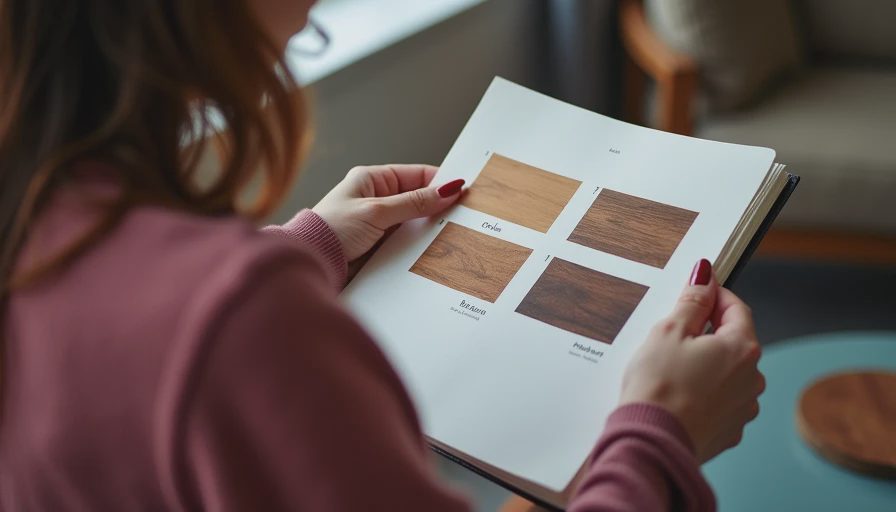
When clients ask me about types of wood, they usually want one thing: a piece that looks good on day one and still behaves after kids, dogs, and a few years of keys, mugs, and moved-around lamps. The short version is that not all wood is built the same. Some pieces are solid through and through. Some use veneer over a stable core. Some are perfect for a dining table and a bad idea for a drawer front. If you are furnishing on a budget, knowing the difference saves money fast and keeps you from paying oak prices for a pine box with a pretty stain.
The types of wood that earn their keep
Among the types of wood I trust most for everyday furniture, oak is the safest all-around buy. It is hard, takes stain well, and hides small dents better than softer options. White oak usually feels a little cleaner and more modern because the grain is tighter. Red oak is common, slightly more open in grain, and often shows up in mid-priced case goods. Maple is harder and smoother, which makes it great for painted pieces and for people who want a less busy grain. Walnut is the richer choice: beautiful, stable, and usually more expensive, but worth it on a table, nightstand, or media console you plan to keep for years. Ash lands in a nice middle spot too, with a strong grain and good toughness.
If you are comparing showroom pieces, look past the finish and ask what is actually supporting the top, the drawer box, and the legs. A $1,200 oak dresser is often a better long-term value than a $700 piece that looks similar but uses weaker parts underneath. Cherry can be lovely as well, especially in classic furniture, but it darkens over time, so make sure you like the aging process before you buy. The grain shift is part of the charm, not a defect.
When cheaper types of wood make sense
The phrase types of wood gets a lot more useful when you stop thinking only about premium hardwoods. Pine is soft, yes, but it is not useless. For a guest room dresser, a bookshelf, or a child’s room, pine can be a smart buy if the construction is decent and you are fine with a few dings. Poplar is another workhorse. It is not especially pretty on its own, but it paints well and often shows up in better-budget painted furniture because it is stable and easy to work with. Birch sits in the middle: harder than pine, usually less expensive than oak or walnut, and common in clean-lined modern pieces.
Acacia and rubberwood are worth a look too. Acacia has attractive grain and a lively look that can make a simple table feel more expensive than it is. Rubberwood, often used in imported furniture, is generally a practical choice for lighter-use pieces. The key is matching the wood to the job. A pine coffee table can be fine. A pine dining table in a busy household will show life faster than you expect.
Price-wise, a basic pine dresser might land around $300 to $700. Better oak or maple versions often move into the $900 to $1,800 range, and walnut climbs higher quickly. That spread is why the tag alone does not tell you the whole story.
Veneer, plywood, MDF, and why the tag matters
This is where a lot of shoppers get tripped up. Solid wood sounds best, but the smartest buy is often a well-built piece with veneer over plywood or MDF in the right places. Veneer is a thin layer of real wood on top of a stable core. Done well, it gives you the look of walnut or oak without the warping and cracking that can happen in large panels made from one solid board. That is especially useful on wide tabletops, cabinet doors, and entertainment units.
Plywood is the core I like most when the price and build are right. It holds screws well, it is less prone to swelling than cheap particleboard, and it works hard in frames, side panels, and drawer boxes. MDF is denser and very smooth, which makes it excellent under paint, but it hates water and needs good edge protection. If a listing says “solid wood” but the piece is only solid on the visible parts, that is not automatically bad. I would rather have a smart mix of materials than a flimsy all-solid claim with weak joinery.
What you want to check is simple: solid wood on high-wear spots when needed, veneer on wide panels when stability matters, and plywood instead of bargain particleboard if the budget allows. That combination usually gives the best value in real homes.

How I would buy for a living room, bedroom, and dining room
For a living room, I want durability first. Coffee tables and media consoles get the most abuse, so I lean toward oak, walnut veneer over plywood, or a painted birch piece with solid joinery. If the room is small and the budget is tight, a well-made pine accent cabinet can work, but I would not make it the anchor piece. For a bedroom, I care more about drawer quality and long-term stability than flashy grain. Maple, birch, and good veneer construction all make sense here, especially if the finish is smooth and the drawer glides feel solid.
In a dining room, the tabletop matters most. This is where a harder species or a stable veneered top pays off. I would rather see a table with a smart core and a real wood surface than a budget all-solid table that cups or cracks after one dry winter and one humid summer. Chairs are a little different: they get bumped, dragged, and leaned on. Oak and ash are strong choices, but if the upholstery and frame are well made, a mixed-material chair can still be a good buy.
If you are shopping online, zoom in on the construction photos, look at drawer interiors, and read the material line slowly. If the listing is vague, that is usually telling you something. The best purchase is the one that matches your room, your use, and your budget without pretending to be something it is not. That is how you get furniture that still feels right after the first year, not just the first delivery.
Keep Reading
How to Choose the Best Mattress for Heavy People
Find the best mattress for heavy people with practical guidance on support, dura...

How to Choose the Best Standing Desk for Your Home Office
Find the best standing desk for your room, budget, and work habits. Compare stab...
How to Choose the Best Mattress for Side Sleepers
Find the best mattress for side sleepers with practical picks, material advice, ...
Owner Letters
0 lettersNo letters yet — be the first to write one.