
Upholstery Fabric: How to Choose the Right One for Real Life
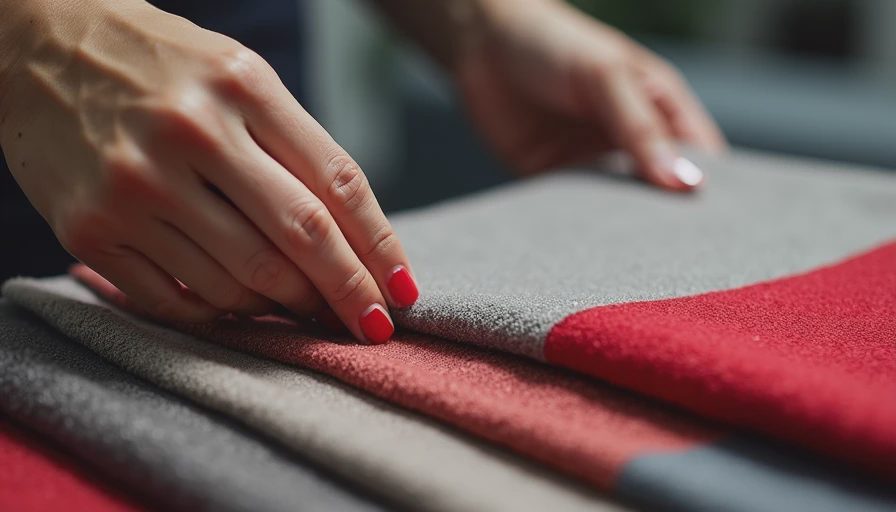
When you are buying a sofa, chair, or dining seat, upholstery fabric is the part you touch every day, and the part that usually makes or breaks the purchase. I have sat in enough showroom pieces to know this: a good frame can be ruined by weak cloth, and a modest frame can feel smart if the fabric is honest, durable, and easy to live with. The goal is not to buy the most expensive look on the floor. The goal is to pick something that still looks decent after spills, pets, sun, and a few years of actual use.
What upholstery fabric has to survive
Start with the job, not the color. A chair in a guest room does not need the same toughness as a sectional in a room where someone eats dinner, watches TV, and lets the dog jump up after school. I want to know three things before I care about style: how tight the weave is, how it cleans, and how much rubbing it can take before it starts to look tired. Loose weaves snag faster. Soft finishes can pill. Dark solids hide stains better, but they also show lint and pet hair faster.
The other thing people miss is seam behavior. Some materials look great as a flat sample and then wrinkle, twist, or pull at the corners once they are stretched over cushions. That is why I like to ask how the cloth hangs on the frame and whether the shop has used it on a chair with arms, not just a pillow. If the answer is no, I get cautious.
The fibers I trust most in real homes
For a family room or a daily-use sofa, I usually point people toward synthetic blends before anything precious. Polyester has a bad reputation in some circles, but a well-made polyester blend can be soft, colorfast, and much easier to live with than a fussy natural fiber. Solution-dyed acrylic is another solid choice for bright rooms and homes that get real sunlight. It keeps color better than you would expect, and it is easier to wipe down than a lot of people assume.
If you want a more tailored look, wool blends are underrated. They resist crushing better than many people think, and they tend to hold shape well on structured pieces. Linen, by contrast, gives you that relaxed, airy feel, but it can wrinkle and wear faster if the weave is open. That is why I like linen more on a sofa you use lightly, not the one everybody piles onto after dinner. For the right room, upholstery fabric should match the life you actually live, not the photo on the product page.
How to read the upholstery fabric tag
This is where the numbers matter. If a salesperson mentions double rubs, they are talking about abrasion resistance. For a light-use chair, I am comfortable in the teens of thousands. For a busy sofa, I want something that pushes higher, especially if kids, pets, or frequent guests are involved. You do not need the highest number in the building, but you do need enough headroom so the piece does not look worn out too fast. That is where many bargain finds fail: they look fine on day one and tired by year two.
Cleaning codes matter just as much. A W code means water-based cleaning, S means solvent-based, WS means either, and X means vacuum only. If you have never lived with a vacuum-only chair, trust me, it gets old fast. I also look at pilling notes, colorfastness, and whether the pattern will need matching across seams. A tiny geometric print can turn into an expensive headache if the manufacturer has not cut it well.
Room by room, the right call changes
In a formal living room, you can afford a little more delicacy. A smoother weave, a softer hand, even a lighter color can work if the traffic is low. But in a den, basement, or big open family space, I would lean into something that forgives crumbs, denim, and daily collapsing at the end of the day. If you want upholstery fabric that feels polished without acting precious, choose texture over sheen. Sheen shows wear. Texture hides it.
Dining chairs are their own animal. They need to wipe clean, resist friction from sliding in and out, and keep their shape after people shift around for an hour. If your home has pets, avoid fuzzy finishes that grab hair like a magnet. If the room gets direct afternoon light, skip anything known to fade fast. A pretty chair that fades on one side is not a bargain. It is a reminder you bought the wrong thing.

How I would spend the money on upholstery fabric
This is the part where budget starts to matter in a useful way. If you are buying a new sofa, I would rather see money go into a strong frame, good cushions, and a mid-tier cloth that can actually survive the room. Most shoppers do the opposite: they get seduced by a beautiful swatch and ignore the build under it. That is backward. A solid $1,200 sofa covered in smart fabric will usually serve you better than a prettier piece that needs babysitting from day one.
If you are reupholstering, the fabric itself may run roughly $20 to $80 per yard at retail, with labor adding a lot more depending on the piece. That is why you should not chase a discount blindly. A cheaper yardage that pills, stretches, or stains easily can cost more in the long run than a better cloth used once and done correctly. Before you buy, sit on the sample, rub it with your hand, look at it in daylight, and imagine the worst day your furniture will have. The right pick is usually the one that still feels calm in that mental test.
If you want help narrowing it down, bring home samples and compare them against your floor, your wall color, and the way your room is actually used. The best upholstery fabric is not the flashiest one in the showroom. It is the one that lets you stop thinking about the upholstery and start enjoying the room.
Keep Reading
How to Choose the Best Mattress for Heavy People
Find the best mattress for heavy people with practical guidance on support, dura...

How to Choose the Best Standing Desk for Your Home Office
Find the best standing desk for your room, budget, and work habits. Compare stab...

How to Choose the Best Mattress for Side Sleepers
Find the best mattress for side sleepers with practical picks, material advice, ...
Owner Letters
0 lettersNo letters yet — be the first to write one.