
Wood Finishes: How to Choose the Right Look for a Real Home
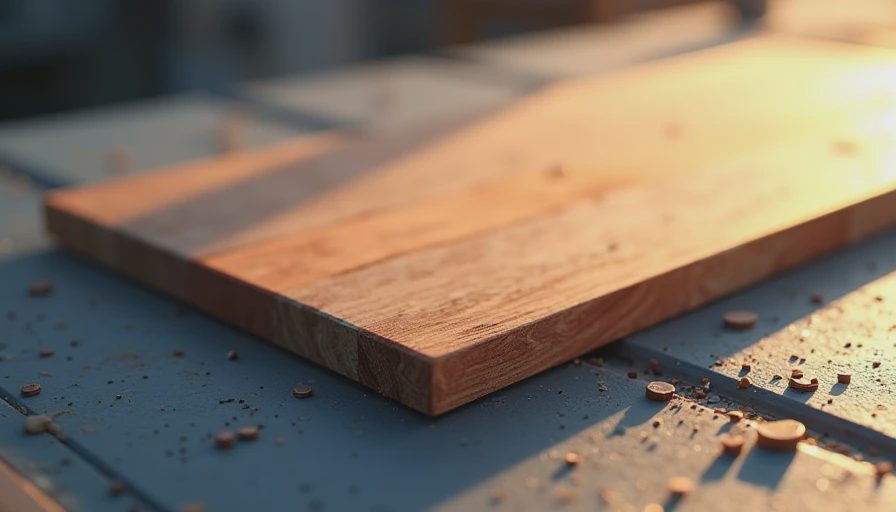
When I shop a dresser or dining table, wood finishes are one of the first things I check, because the color in a photo tells you almost nothing about how the piece will live in a house. Two tables can both be called walnut, yet one looks warm and forgiving while the other reads flat and plastic under lights. The real question is not just whether you like the color. It is whether the surface will hide fingerprints, survive a spilled glass, and still look decent after a few years of kids, keys, mail, and normal use.
How I judge wood finishes on the floor
On the floor, I look at wood type, sheen, and the edge detail before I even think about style. Wood finishes are not just stain colors; they are the coating system sitting on top of the wood or veneer. A good sample should look even, but not dead. If every pore is sealed shut and the grain disappears, the piece can start to look like plastic. If the finish is too thin, you will see blotchy color, especially on oak and ash.
I also run my hand along the edge and look inside the drawer. A well-made case piece often has a consistent surface inside and out, or at least a sensible transition where the raw interior is still protected. If the exterior looks rich but the back panel is raw and fuzzy, that tells me where the factory saved money. You do not need perfection in every hidden spot, but you do want to see that the maker spent on the part that gets touched every day.
The finishes that show up most often
The best wood finishes for busy rooms are usually a sprayed lacquer, a conversion varnish, or a polyurethane topcoat. Sprayed lacquer feels smooth and looks clean, which is why it shows up on a lot of better case goods. Conversion varnish and polyurethane tend to be tougher on spills, heat, and casual abrasion. If you have ever put a drink down on a nightstand and seen a white ring the next morning, you already know why that matters. A good topcoat is cheap insurance against regret.
Oil and wax live at the softer end of the spectrum. An oil finish gives you a more natural, open look, and it can be lovely on a small accent piece or a bench that does not see much abuse. The tradeoff is upkeep. Water spots and dry patches are part of the deal if you are not willing to maintain it. Wax alone can add charm, but I would not choose it for a family dining table and expect it to behave like a modern protective coating. Painted furniture is different again. Paint can be a smart choice when you want calm color and less grain drama, but the prep has to be solid. If the edges chip when you tap them lightly, move on.
Match the surface to the room
A good rule is that wood finishes in an entry or dining room should lean harder toward durability than drama. Those are the rooms where bags get dropped, chairs get pulled, and drinks get set down without much thought. For a dining table, I like medium-tone stains or matte sheens because they hide crumbs, fingerprints, and light scratches better than a glossy surface. In a bedroom, you can get away with a softer oil or a lighter satin coat because the traffic is lower. Entry consoles and kids' dressers need the toughest topcoats you can find in the price range.
The color itself matters less than how much contrast it creates with the room. Very dark brown can look sharp in a big space but gloomy in a small one. Bleached oak and pale ash feel open, but they also show dust faster. Mid-tone walnut, oak, and brown-tinted surfaces usually give the best balance for a home that has to work hard and still look finished. If you are furnishing on a budget, that middle lane is often where the best value lives. It gives you a richer look than bare-looking pale wood and fewer maintenance headaches than a high-gloss dark stain.
Red flags in product descriptions
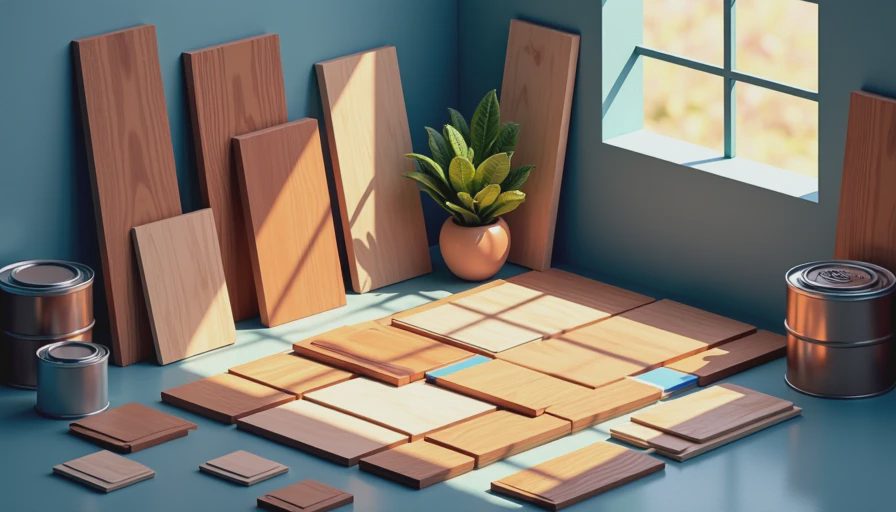
A lot of cheap wood finishes look rich in daylight photos and then show every rub mark once they are in a real living room. That is why I read the product copy very carefully. If the listing says only 'durable coating' or 'easy-care surface' and never names the actual topcoat, I assume the seller is hiding a weaker system under friendly language. The same goes for vague phrases like 'faux wood look' when the item is really a thin veneer over particleboard. Veneer is not the problem. A well-made veneer piece can be a smart buy. The problem is a weak edge band, a thin finish, and a core that chips when you move the piece.
Another clue is how the finish behaves across the collection. If the dresser, nightstand, and bed all look slightly different in the photos, the stain may be fighting the base wood instead of working with it. That does not automatically make the piece bad, but it does mean the color can arrive looking less refined than the picture. I also pay attention to whether the surface is described as hand-rubbed, wire-brushed, or matte. Those details are useful when they are real, because they tell you how much texture you will feel and how much light the surface will bounce. If you are spending several hundred dollars, that kind of detail is worth more than a glossy lifestyle shot.
A simple buying test before you click buy
Before you commit, ask four questions: what is the surface material, what kind of topcoat protects it, where will it live, and how much maintenance are you willing to do? If the answers point to a sealed, low-sheen surface for a high-use room, you are probably on the right track. If the piece is for a guest room or a low-traffic corner, you can choose a more delicate look without regret. The best-looking home is not the one with the fanciest surface treatment. It is the one where the finish matches the room and still looks good after the first year.
That is where a smart furniture buy saves money: fewer returns, fewer replacements, and less time staring at a shiny problem you cannot ignore. If you are stuck between two similar pieces, I would rather you buy the one with the tougher coating and the cleaner edges than the one with the prettier photo. That choice is usually easier to live with, and it is usually easier on your budget too.
Keep Reading

How to Choose the Best Mattress for Heavy People
Find the best mattress for heavy people with practical guidance on support, dura...

How to Choose the Best Standing Desk for Your Home Office
Find the best standing desk for your room, budget, and work habits. Compare stab...

How to Choose the Best Mattress for Side Sleepers
Find the best mattress for side sleepers with practical picks, material advice, ...
Owner Letters
0 lettersNo letters yet — be the first to write one.